Know before you go
Getting around the Greek islands: ferries, buses and cars
Between the islands it is the ferry, and there is no alternative worth the money. On an island it depends entirely on how big the island is.
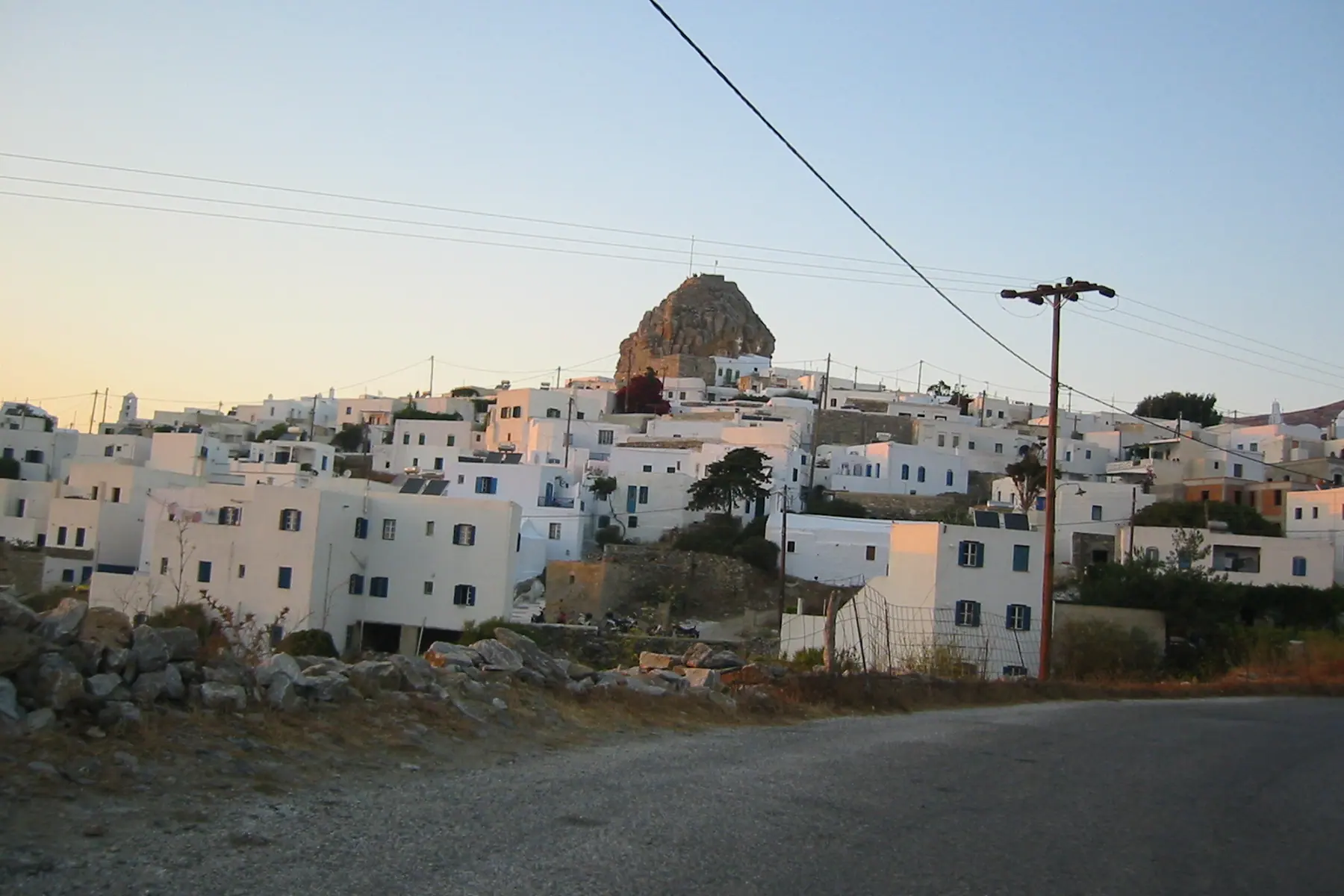
Between islands
Sailings run on seasonal frequencies rather than a fixed year-round timetable, and the smaller the island the fewer there are. An island with several daily connections can be slotted into a route at will. An island with one boat a day dictates the route around it, and an island with one boat every second day dictates the whole trip.
Each island guide lists the legs that reach it with their scheduled crossing time. Those are route durations, not departures: check the operator for the season you are travelling.
On the island
Three questions settle it. Is there more than one place worth sleeping? Are the good beaches on the far side? Is the interior worth seeing? Two yeses and a car pays for itself. Three noes and the bus, or your own legs, will do.
On the small islands walking is not a compromise, it is the point. Several of these islands have old mule tracks between villages that predate the roads, and they are usually the best thing on the island.
Tickets, and the queue
Inter-island tickets are sold by agencies at the port rather than on the boat, and on the smaller islands the agency is a desk in a shop that opens when the boat is due. That is fine until the day a sailing is cancelled and everyone books the next one at once. Buying the onward ticket on arrival, rather than on the morning of departure, removes most of the risk for the price of a five-minute errand.
Boarding is brisk. Ferries call at small islands for a matter of minutes, the ramp goes down, everyone leaving walks off and everyone boarding walks on, and the boat sails. Being at the quay well before the scheduled time is not caution, it is the normal way to catch it, and on a windy day the schedule itself moves.
Cars, scooters and the state of the road
Hire on the islands is a local business, not a chain: a handful of cars and scooters belonging to someone in the port, booked by phone or in person, and on the small islands the whole fleet is a dozen vehicles. In August that fleet is gone, so a car on a small island in high season is something to arrange before arriving. Outside August it can usually be sorted the morning after.
The choice between a car and two wheels is decided by the road surface and the gradient. A scooter is ideal on a flat island with sealed roads and a poor idea on one where the good beach is at the end of four kilometres of graded dirt. Those tracks exist on most of the smaller islands and are the normal way to reach the best coast, and they are also what hire agreements tend to exclude from the insurance. Ask which roads the policy covers before signing, then match the vehicle to the answer.
The bus meets the boat
On any island with a bus, the timetable is built around the ferry and the school day before it is built around visitors. That works in your favour on arrival, because there is almost always something at the quay when a boat comes in, and against you in the middle of the afternoon, when there may be nothing for three hours. The timetable is pinned up at the port and outside the town hall, it changes with the season, and it is worth a photograph on the first day.