Forty guides
The best Greek islands to visit, taken island by island
Which Greek islands suit a particular week is a different question from which are famous. These are the best Greek islands to visit set out island by island, grouped the way the ferries run.
Photographs are credited on each guide, and listed together on image credits.
How to choose the best Greek islands to visit
There is no single answer, which is why nothing below is numbered. An island with an airport and a resort coast and an island reached by one boat a day are different holidays, and the honest way to pick is to decide what the week is for first. Ask which Greek islands match that, not which are ranked highest.
Three things separate them in practice: how hard the island is to reach, how much there is to do when the beach palls, and how many other people had the same idea. The guides say all three plainly, so the comparison happens before you book rather than after you land.
The best Greek islands for beaches
If sand is the point, the western Cyclades repay the extra ferry leg: Milos counts its beaches in the dozens and Sifnos and Serifos both hide good ones behind a walk. For the best Greek islands for beaches with an airport attached, Naxos and Paros are the obvious pair, and Karpathos is the quieter alternative in the Dodecanese. Anyone weighing the best Greek islands for beaches against ease of travel should start with those three.
Grouped island by island, the way the ferries run
The lists below follow the ferry groups rather than the alphabet, because that is what decides which islands can be combined. Reading them island by island is the fastest way to see which cluster fits the time available.
Read them that way and the best Greek islands to visit stop being a ranking and become a match: two or three that fit the dates, the budget and the appetite for effort. People searching for the best Greek islands to visit are usually choosing between a shortlist of that size already, and the deciding factor is almost never the scenery, which is good everywhere. It is the connection.
Cyclades
19 islands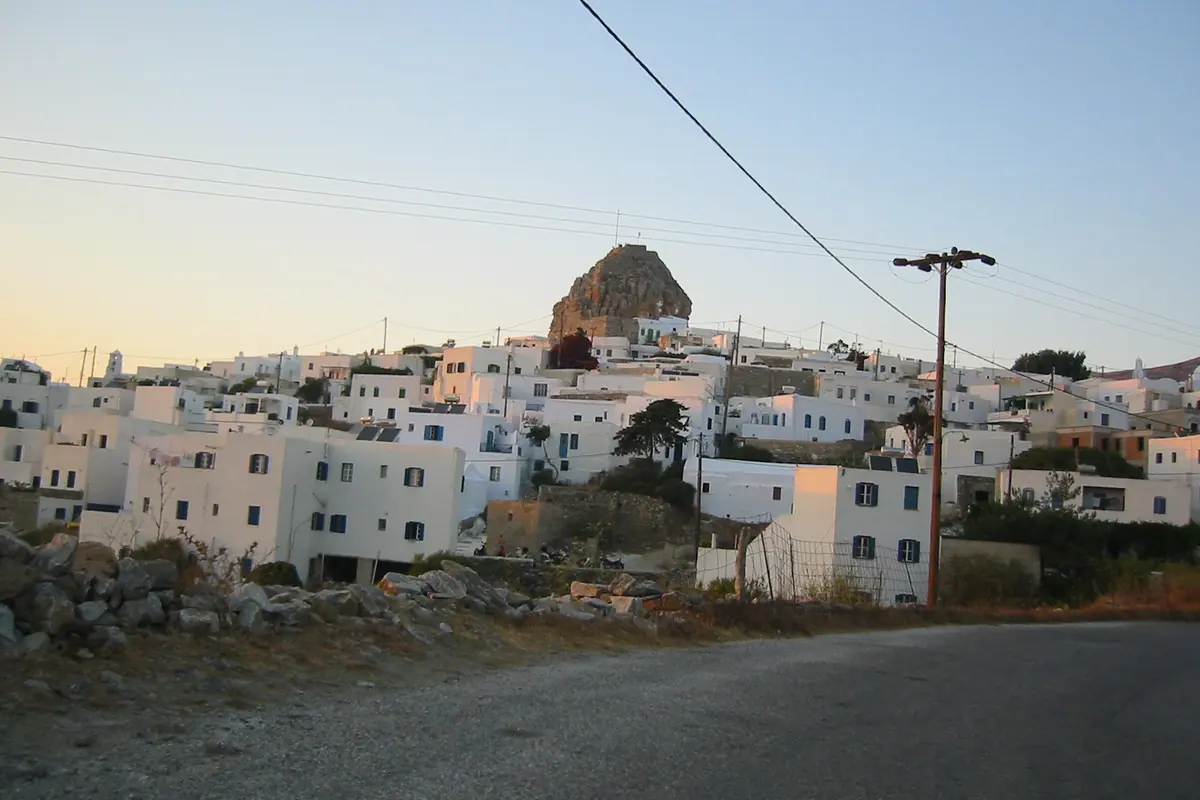
Amorgos
A long, mountainous island at the south-eastern edge of the Cyclades, with a thousand-year-old monastery built into a cliff face 300 metres above the sea.
Anafi
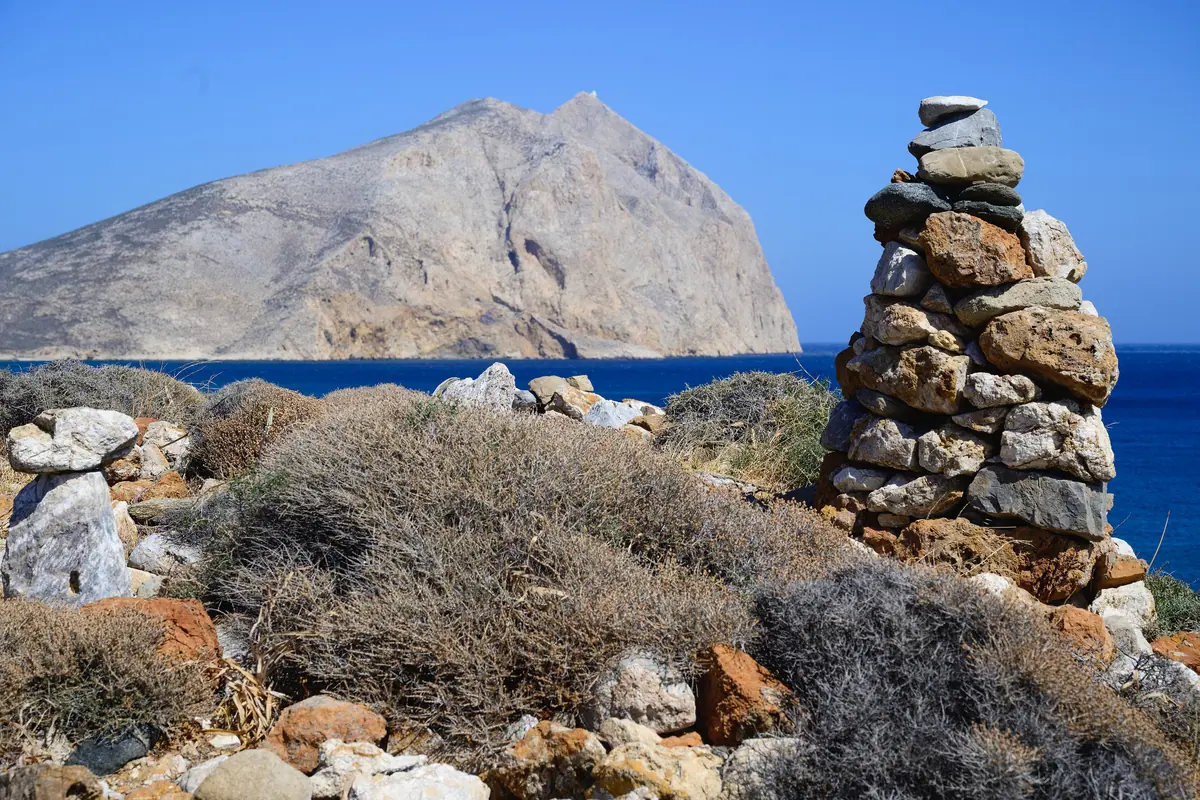
A small satellite of Santorini with magnificent sand beaches and forbidding volcanic terrain. Anafi is remote and quiet enough to put some travellers off, which is precisely what recommends it to the rest.
Antiparos
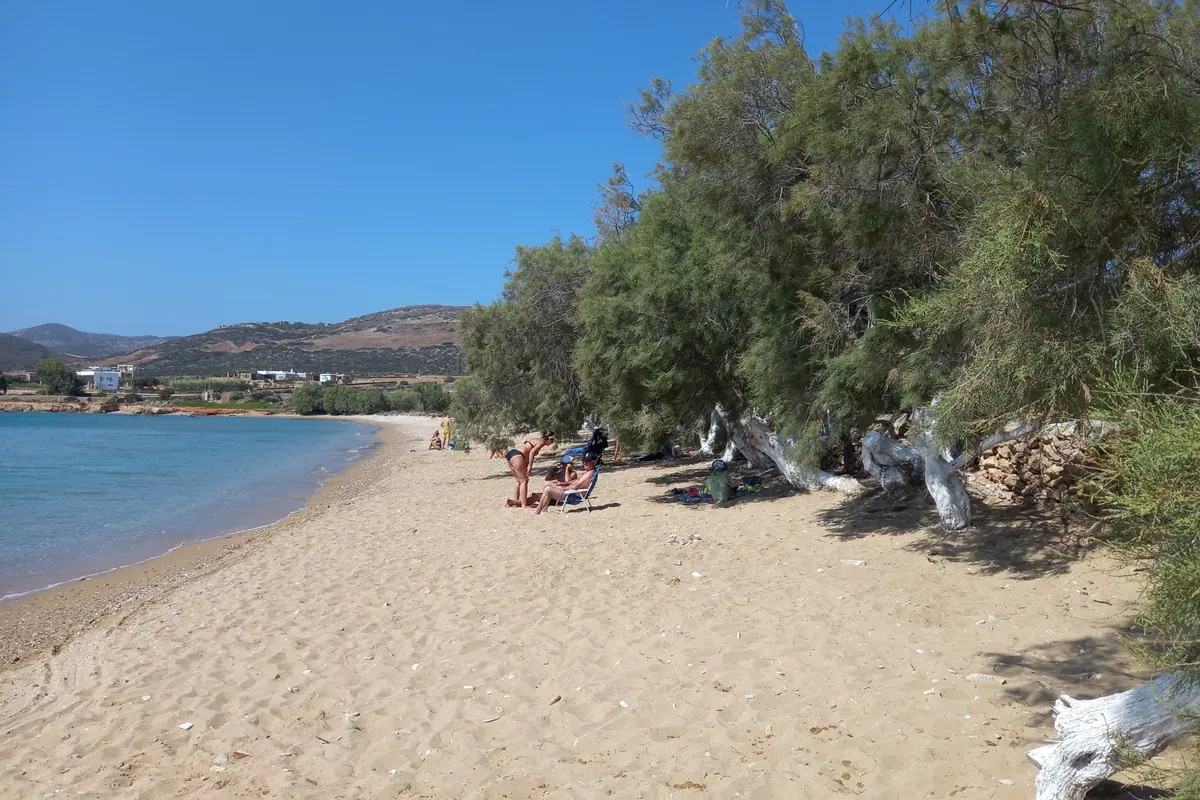
Ten minutes across the channel from Paros, and most of Paros never comes. Superb sand, safe swimming and a village built against pirates.
Donoussa
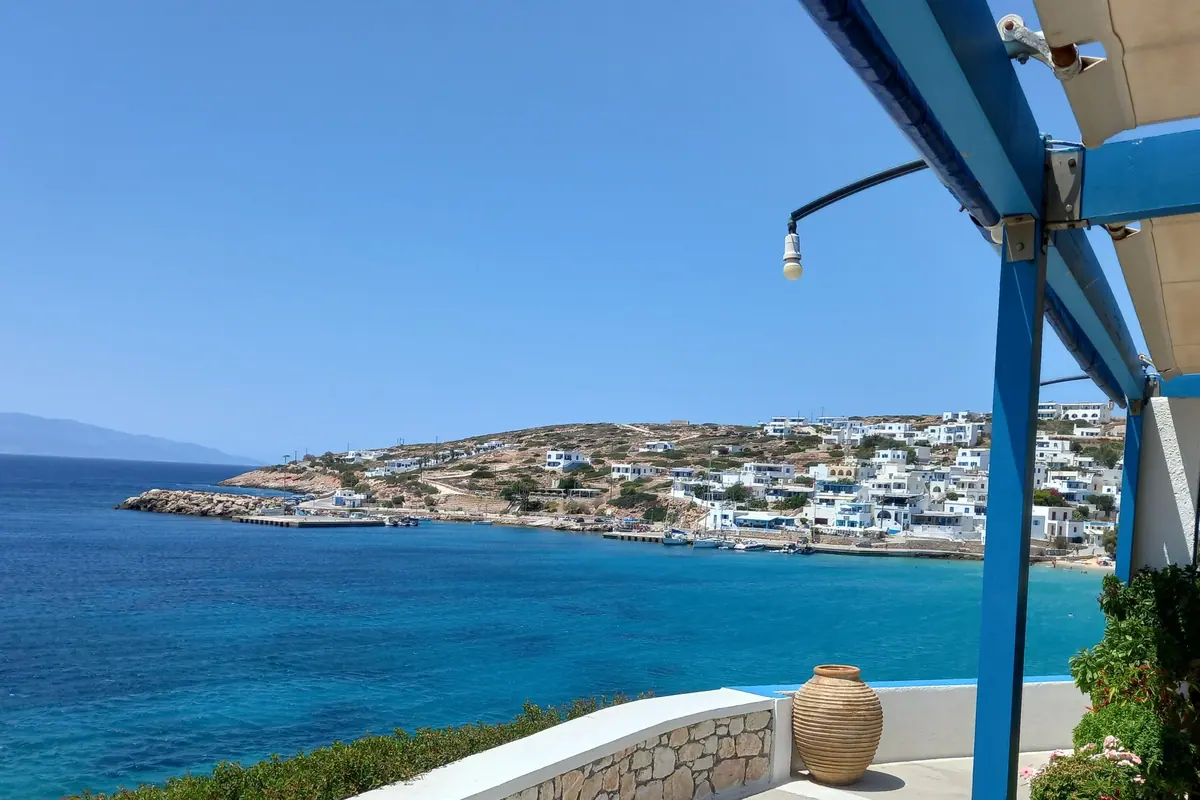
Tranquil and remote, this outpost of the Eastern Cyclades has all the prerequisites of sandy beaches, unspoilt Greek island community and marvellous walks to ensure a peaceful holiday.
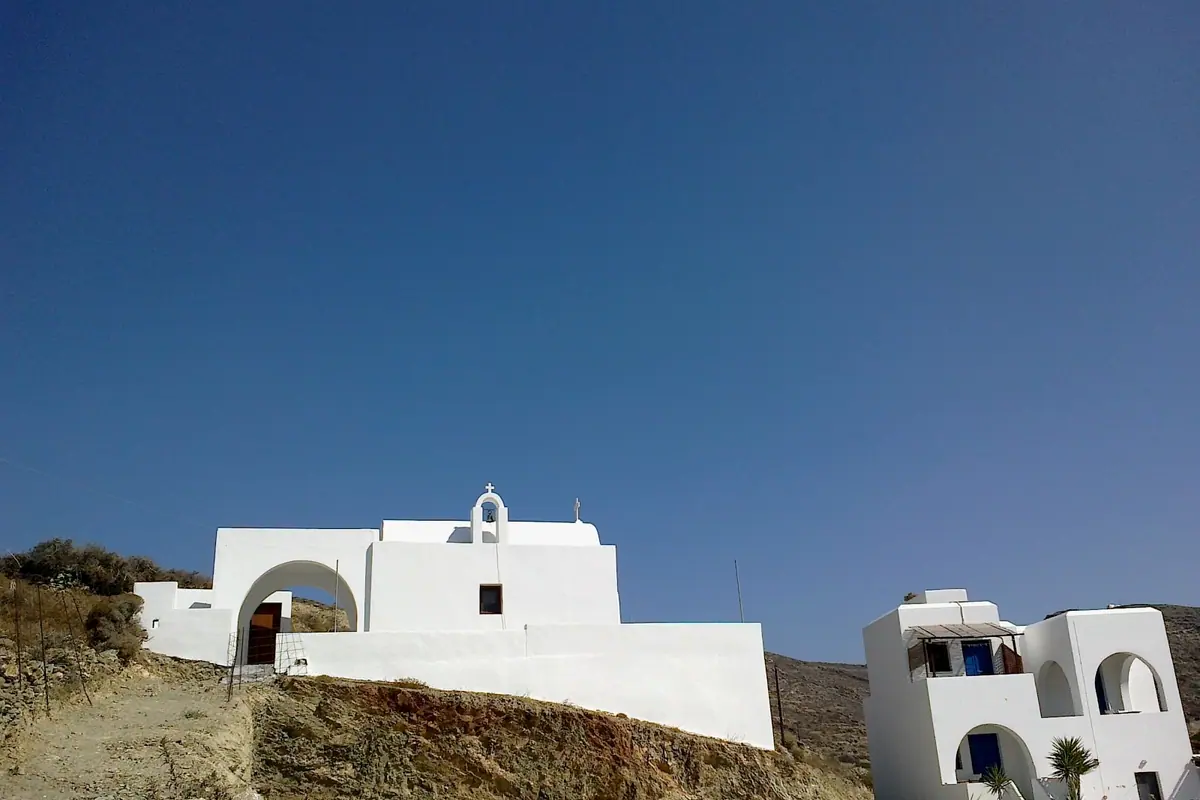
Folegandros
With possibly the most attractive hilltop village in Greece, this long and mountainous island is a must for all Grecophiles.
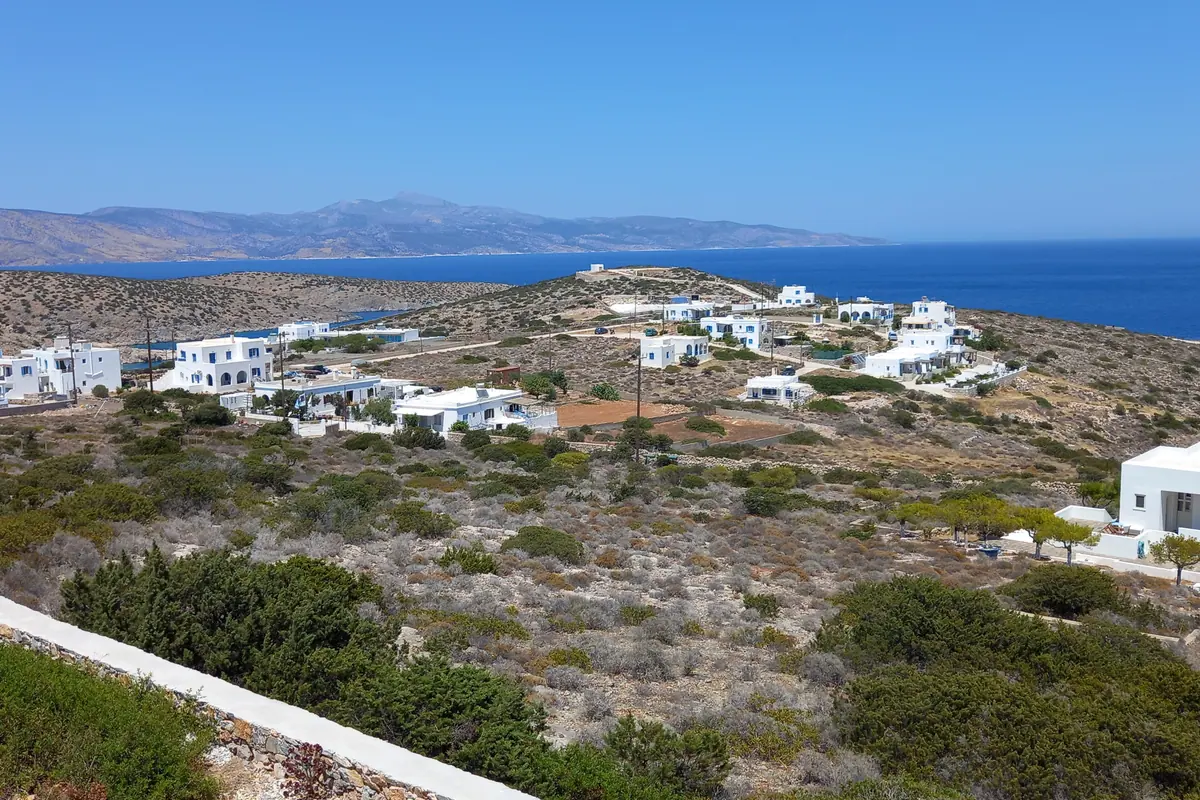
Iraklia
It is difficult to imagine a more peaceful and remote holiday destination. Few places to stay, few places to eat, blissfully quiet, lovely beach and scenery. Glorious walking.
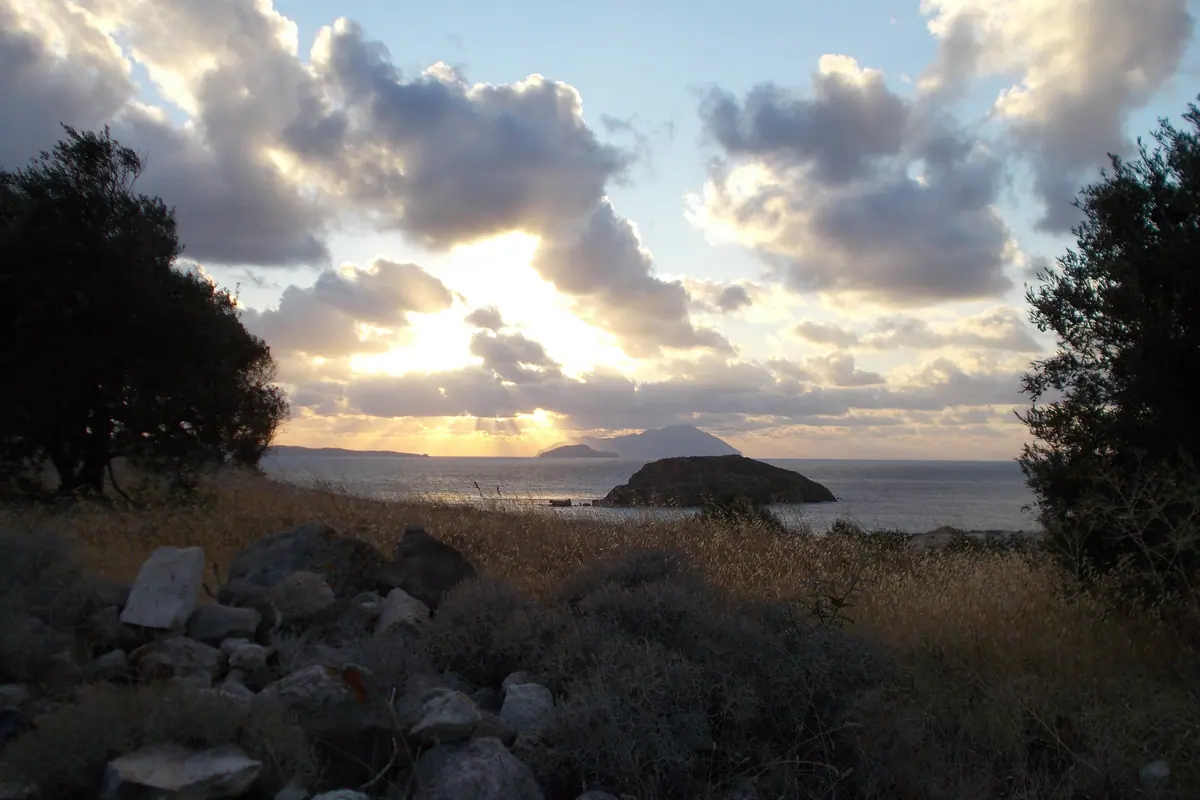
Kimolos
A ferry with room for seventy people, one port, three tavernas and the best pie in the Cyclades. Kimolos is small on purpose.
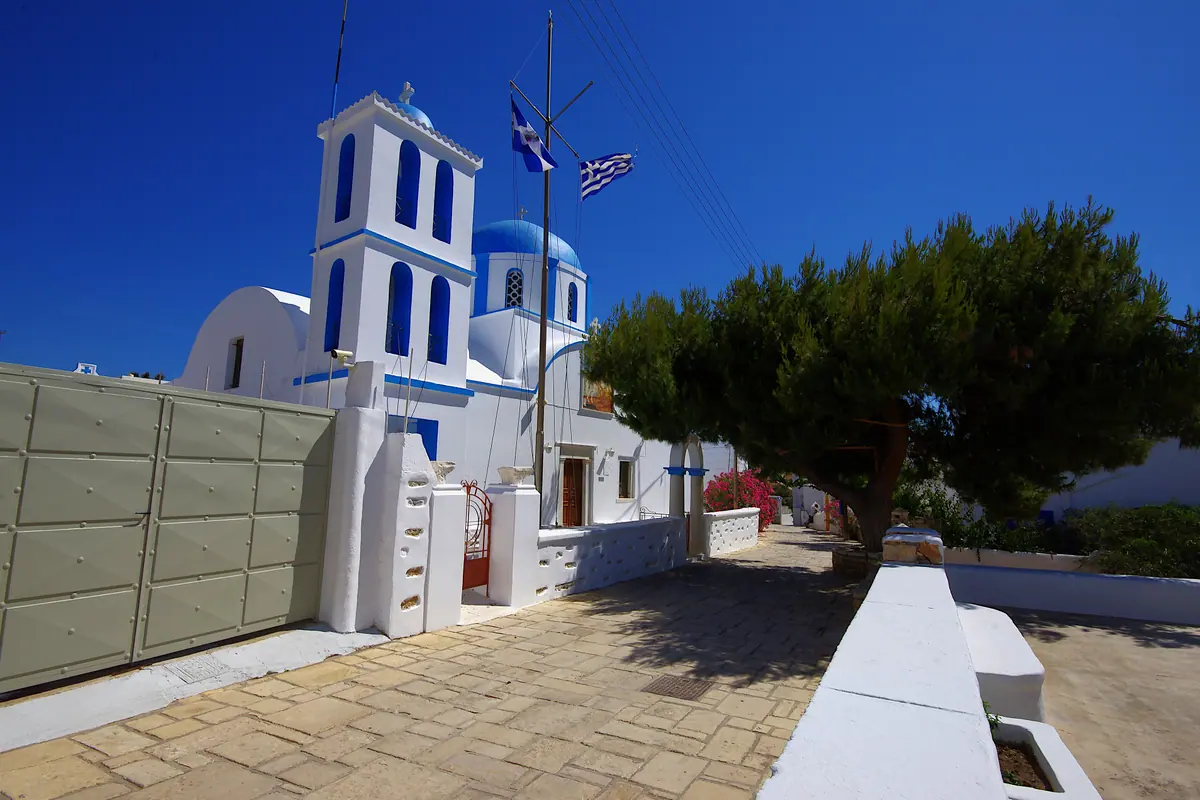
Koufonissia
High quality beaches, excellent accommodation and a modicum of facilities equal unspoilt Greek Island life at its very best.
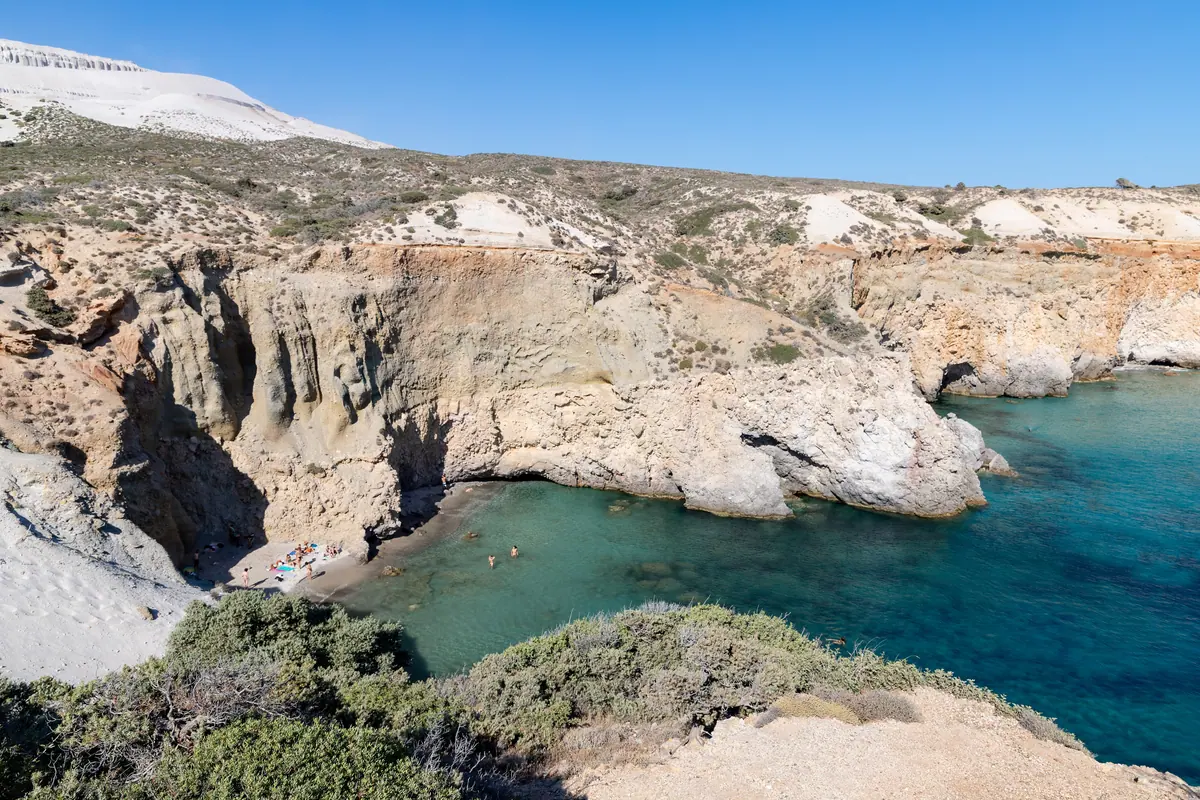
Milos
Colourful, uncrowded, super sandy beaches with the convenience of air travel a possibility all the way.
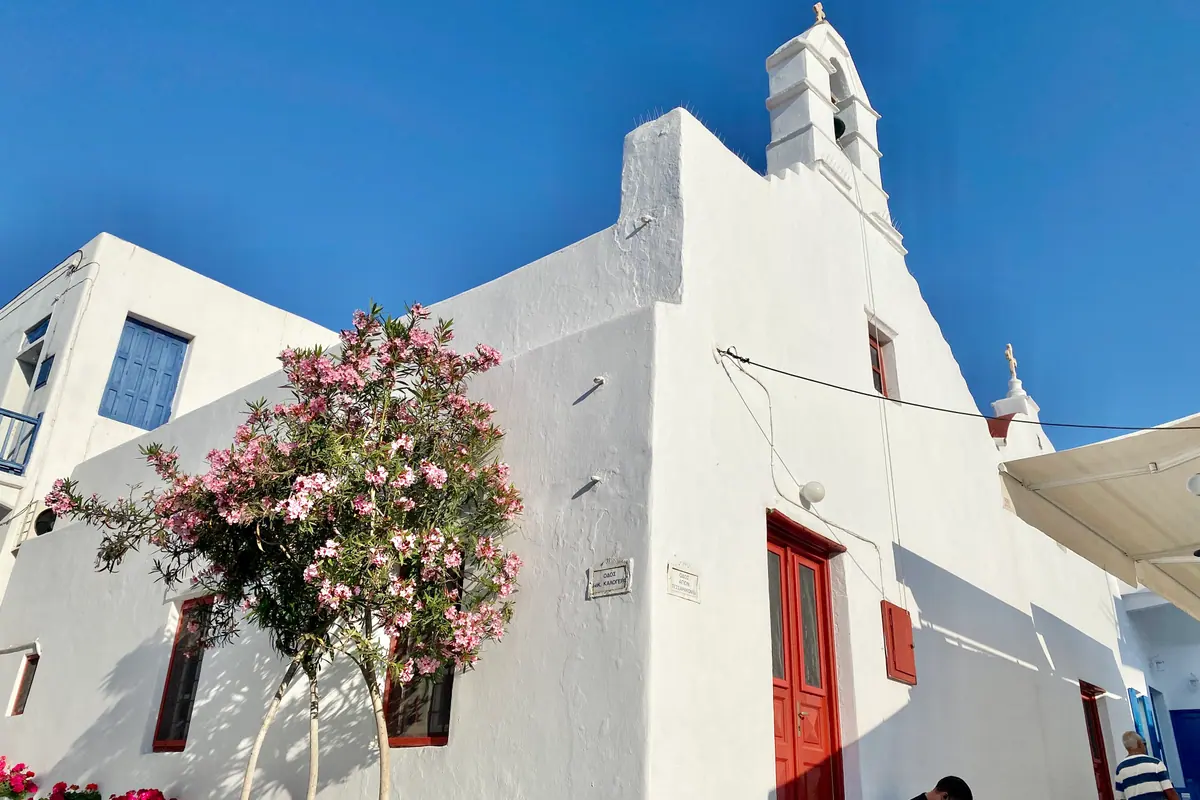
Mykonos
White cubed architecture combines with first class sandy beaches and excellent accommodation on this top-draw, brash, extroverted playground of the Aegean.
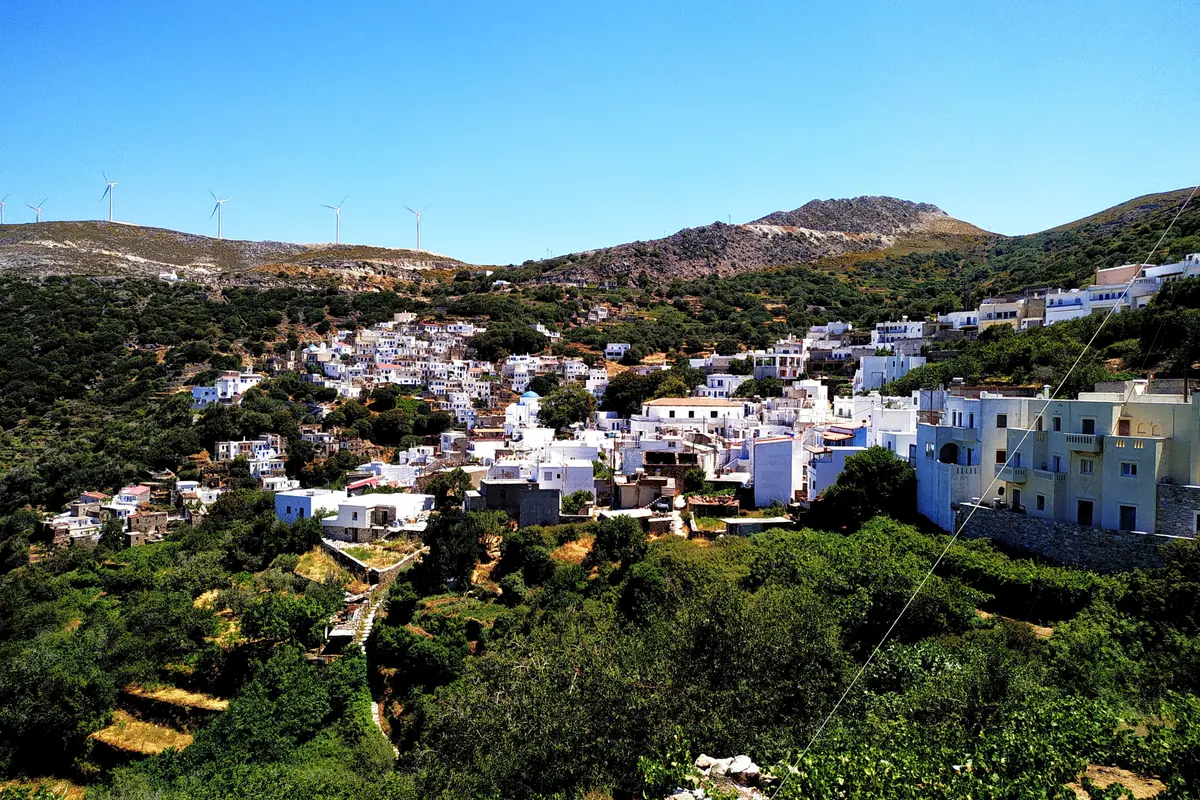
Naxos
The largest island in the Cyclades, and the one that rewards moving around: a Venetian kastro, mountain villages and miles of empty west-coast sand.
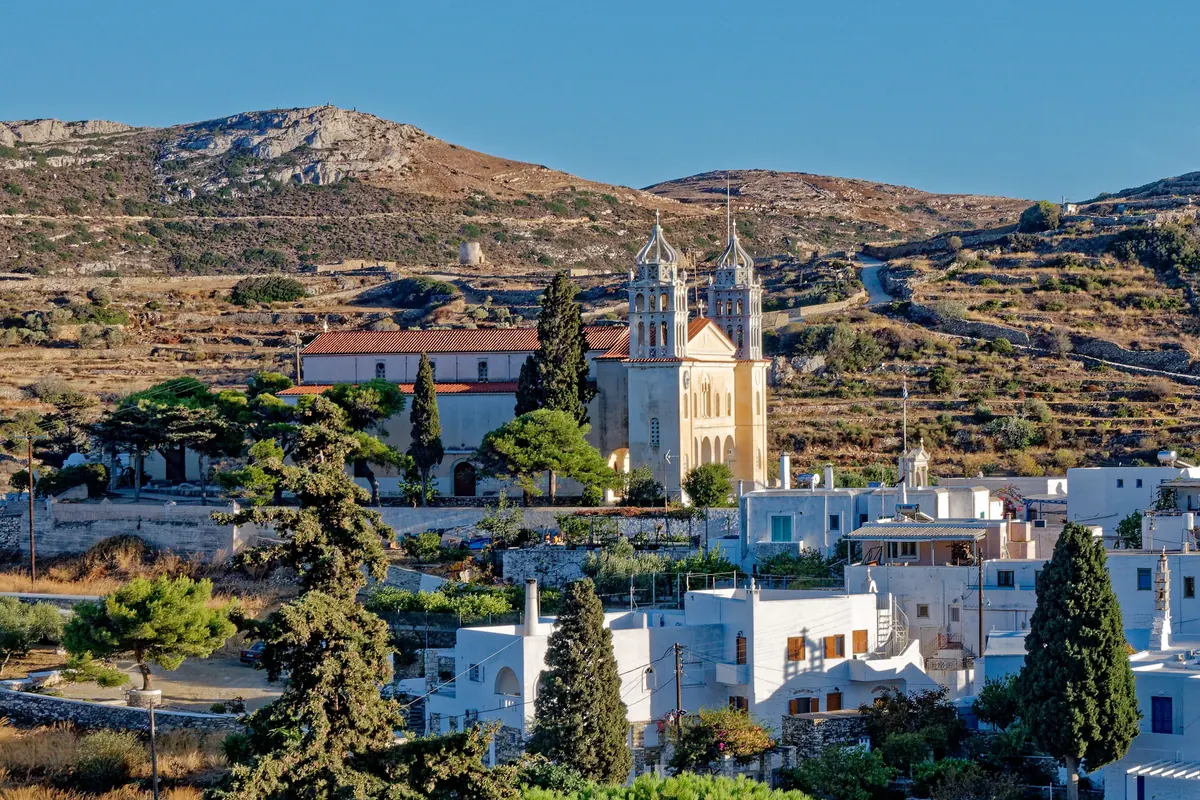
Paros
Cosmopolitan Naoussa, bustling Parikia and quiet Piso Livadi/Logaras vie for your attention on this ever-popular island blessed with marvellous beaches.
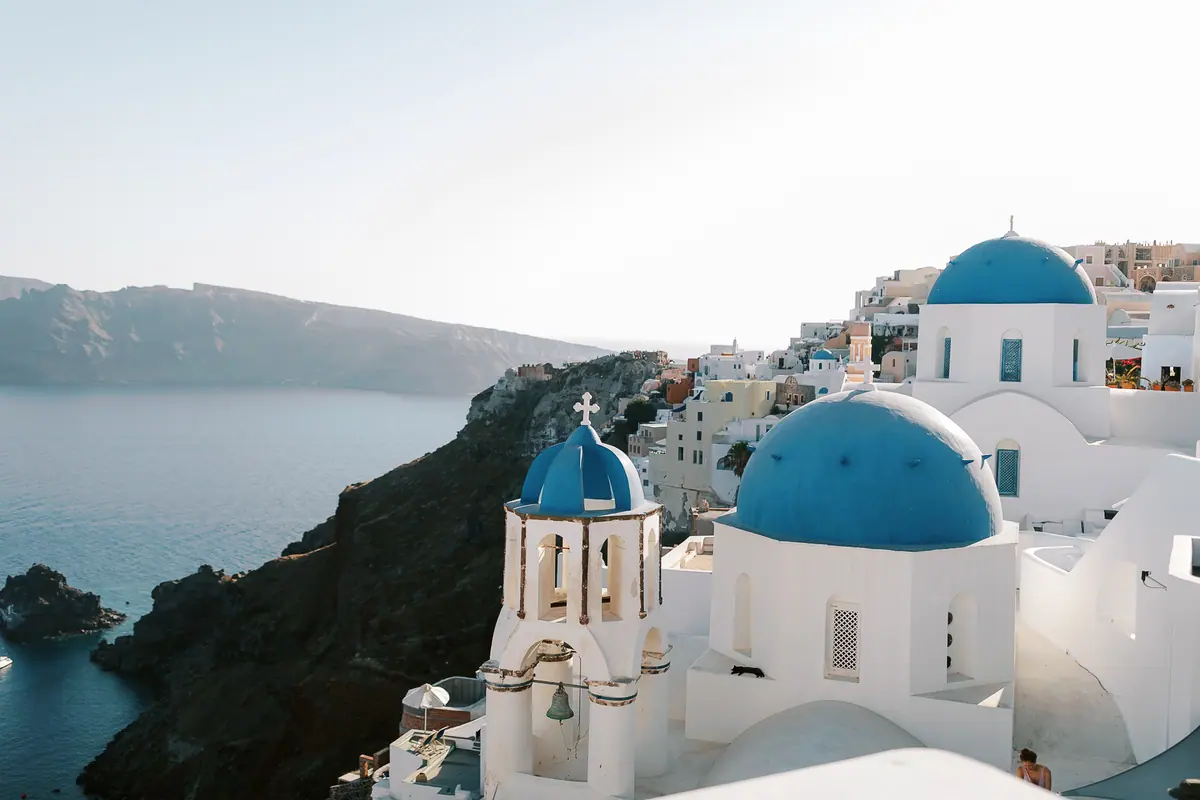
Santorini
This wonderful volcanic island that boasts the spectacular town of Thira and black sand beaches is truly unique in the Cycladic firmament.
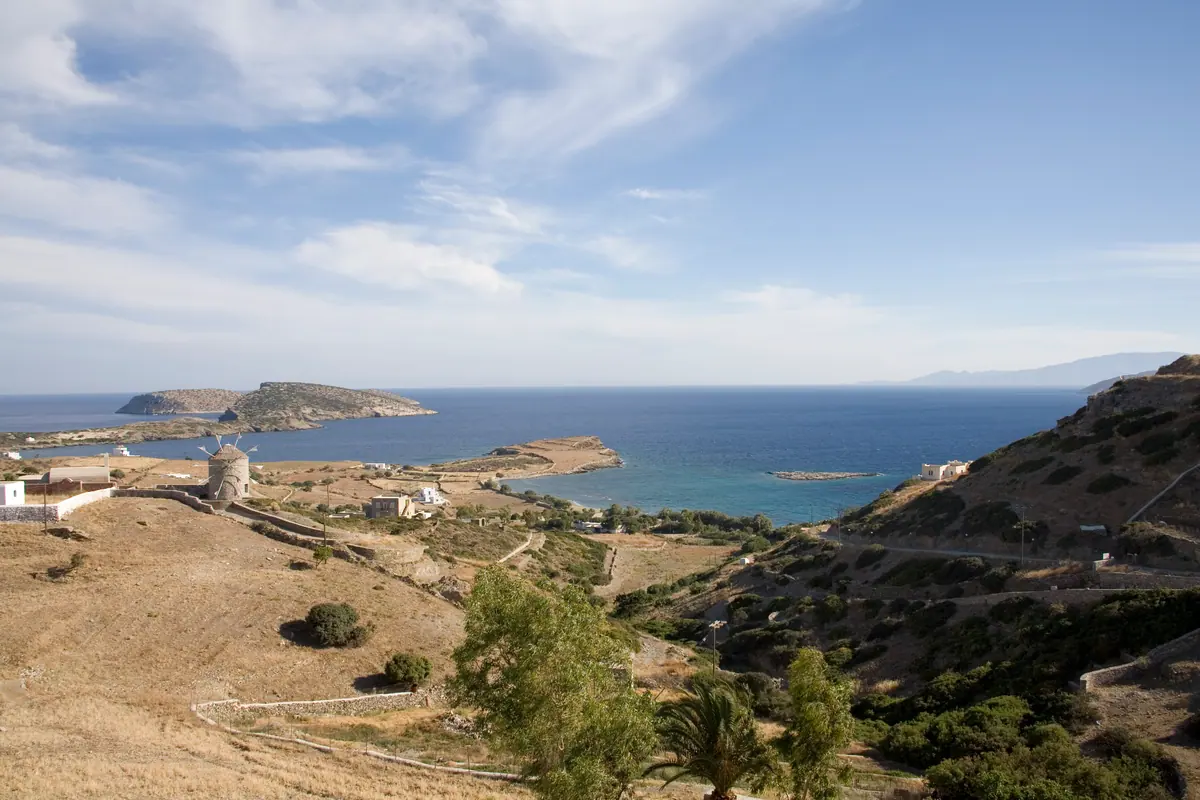
Schinoussa
It is hard to understand why such a charming, unspoilt island with beaches, pretty village and lovely walks, has been so thoroughly ignored by tourists, and long may that last.
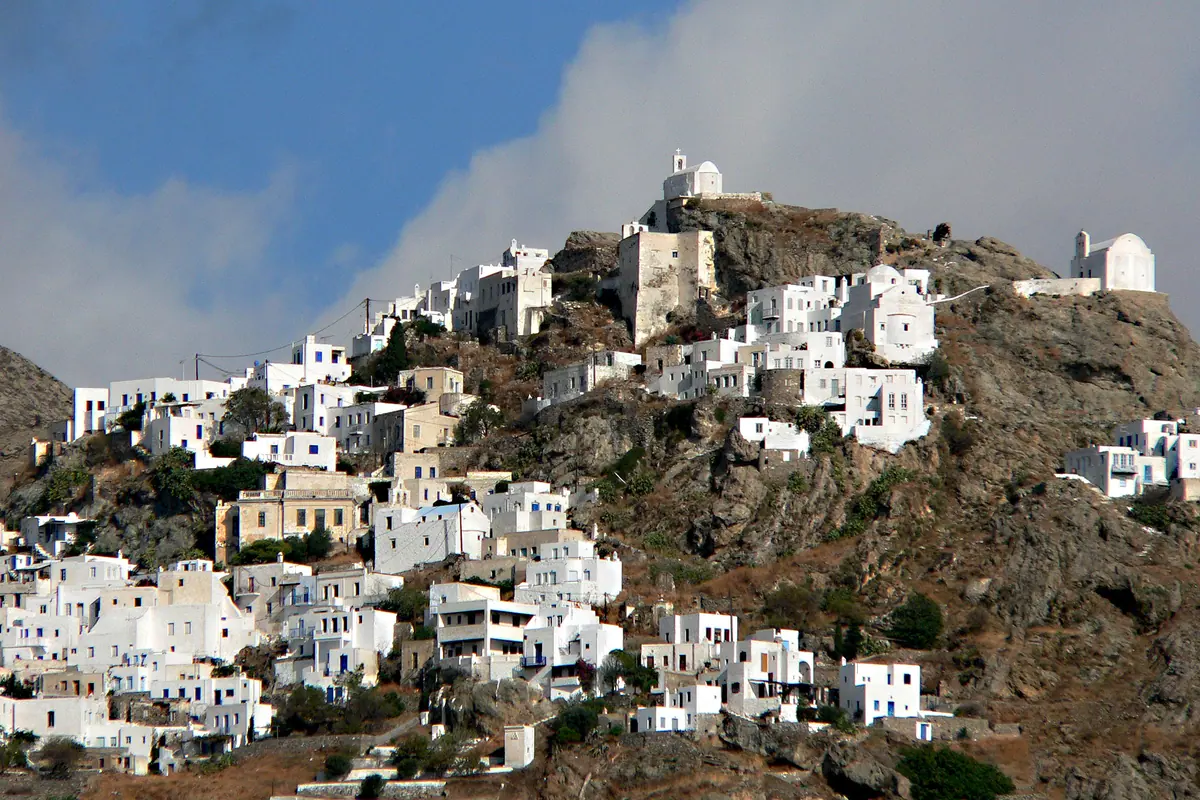
Serifos
Bare hills, fertile valleys and long sandy beaches, two hours and twenty minutes from Piraeus and still largely to itself.
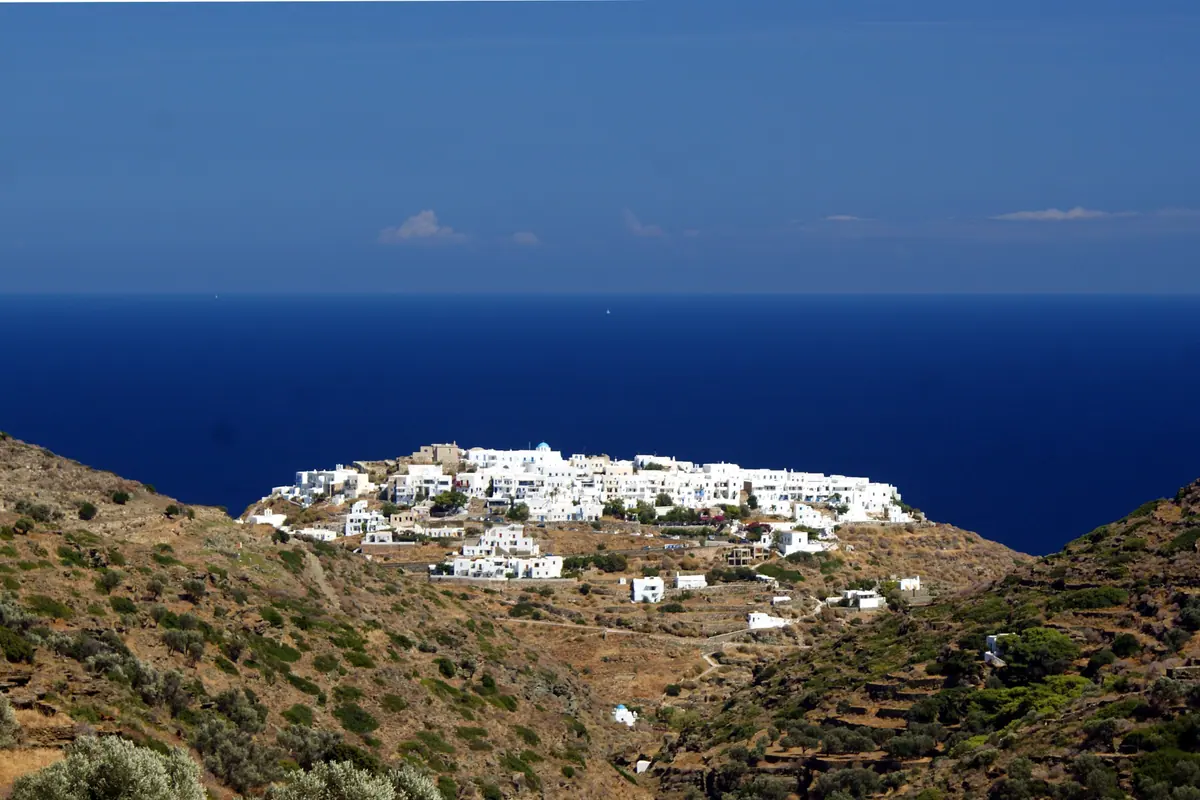
Sifnos
No airport, no jumbo jets, just sandy beaches, daunting barren hills and delightful white cubed villages connected by wonderful walks.
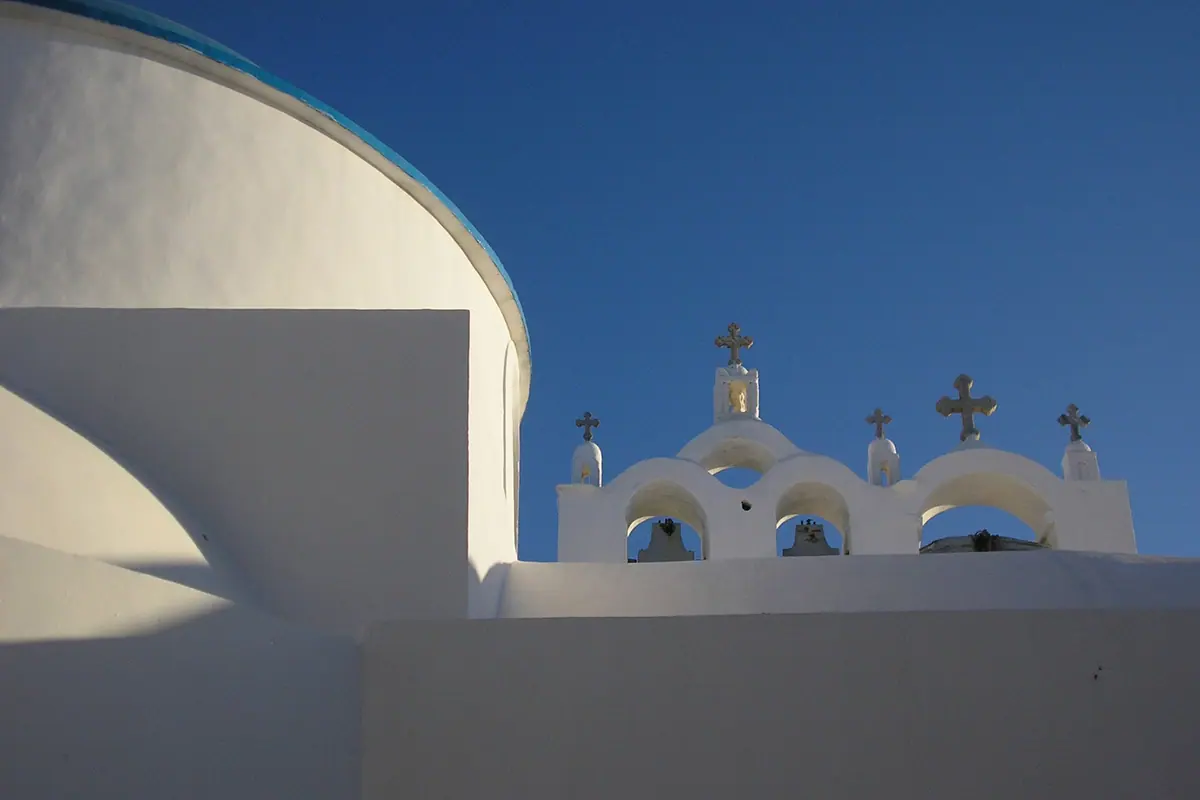
Sikinos
One of the least known Cycladic Islands where secluded bays, sandy beaches and hilltop chora all weave their inimitable magic.
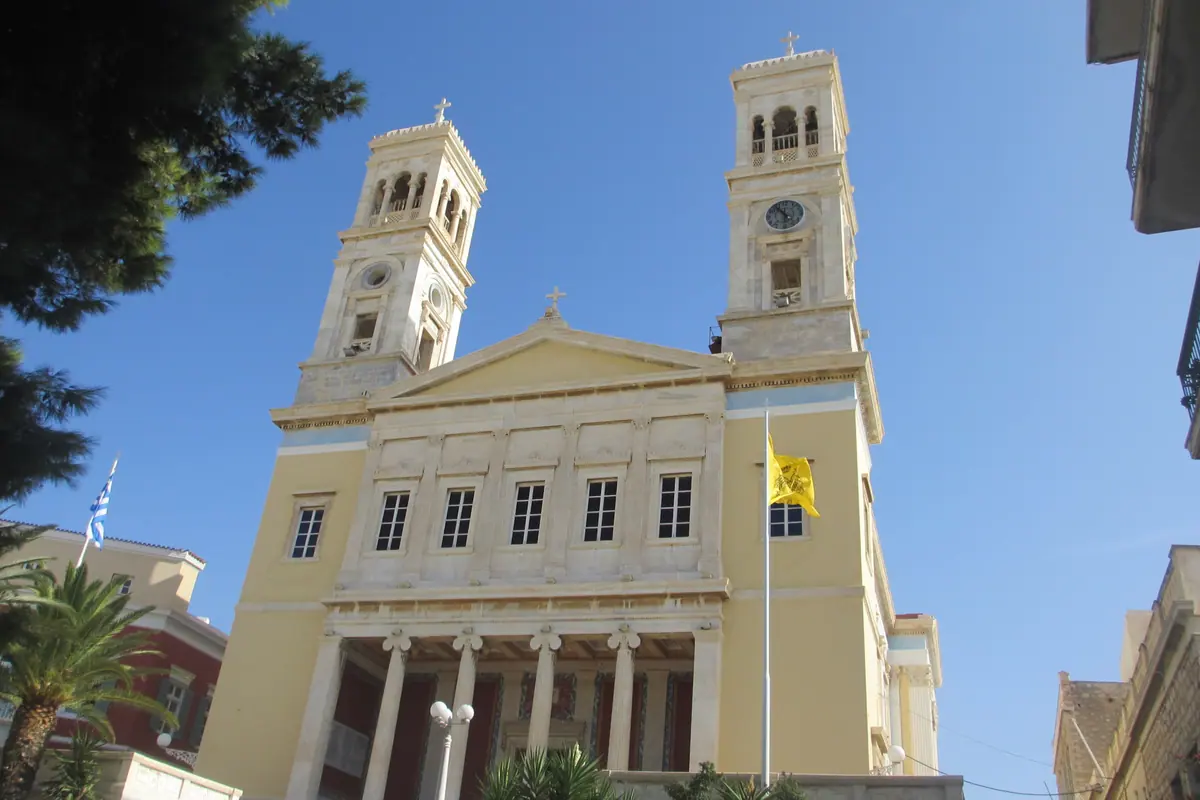
Syros
The administrative capital of the Cyclades and the most extraordinary neoclassical working town in Greece, with quiet beaches on the far coast.
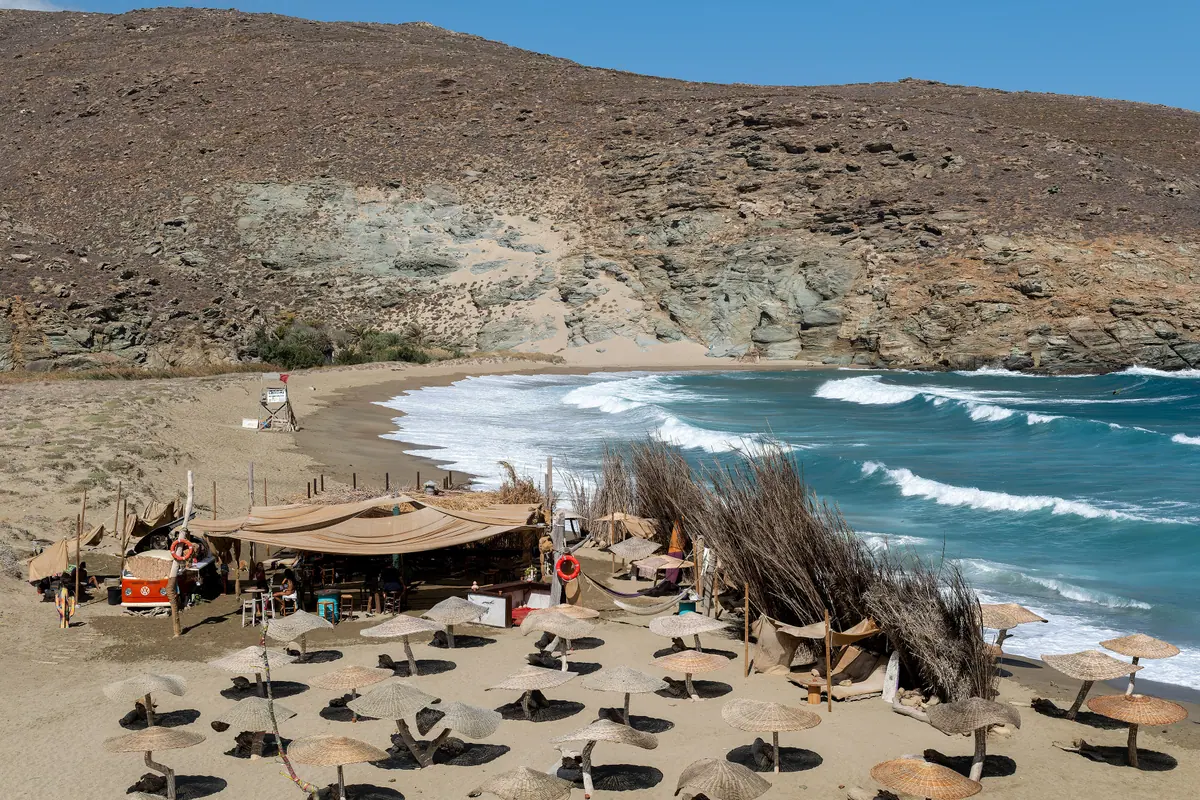
Tinos
The Cyclades' best-kept secret, packed with Greek pilgrims and almost no foreign tourists, and the only island in Greece where you can learn to carve marble.
Dodecanese
11 islands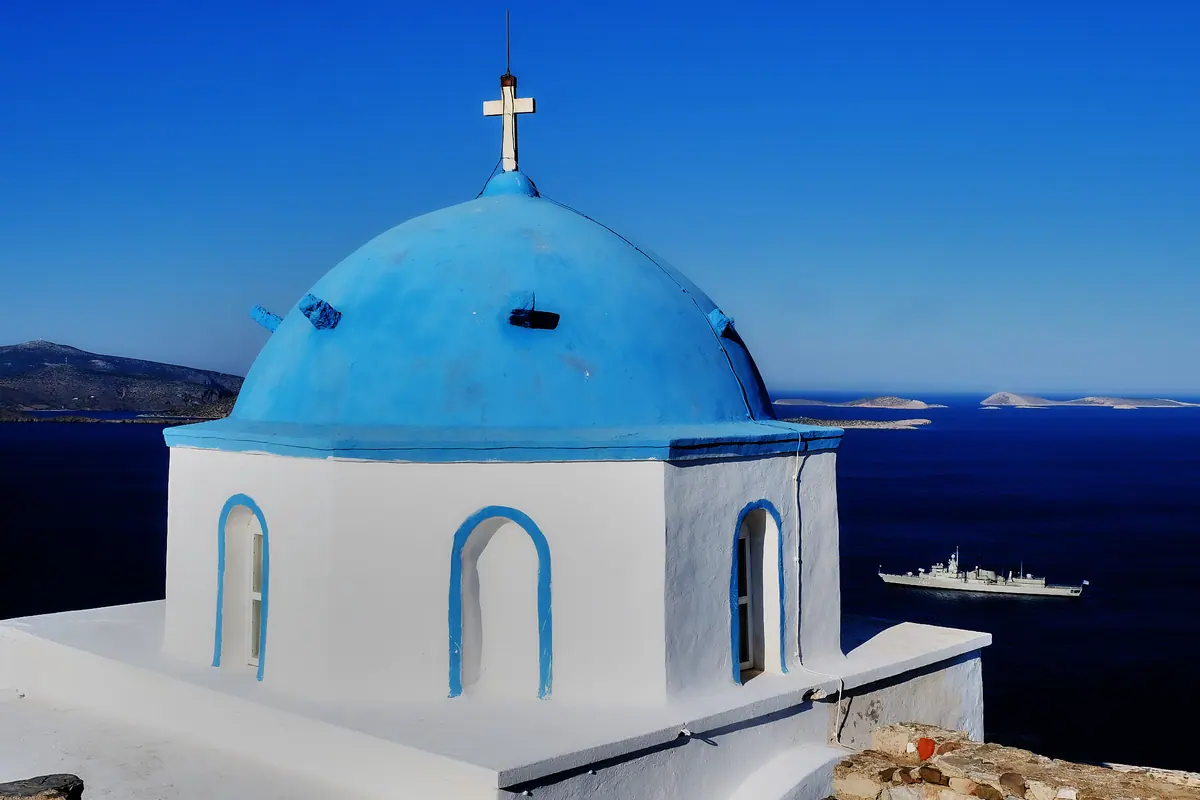
Astypalea
Butterfly-shaped, remote and yet accessible by air, Astypalea is the perfect spot to unwind and soak up that quintessential Greek island atmosphere.
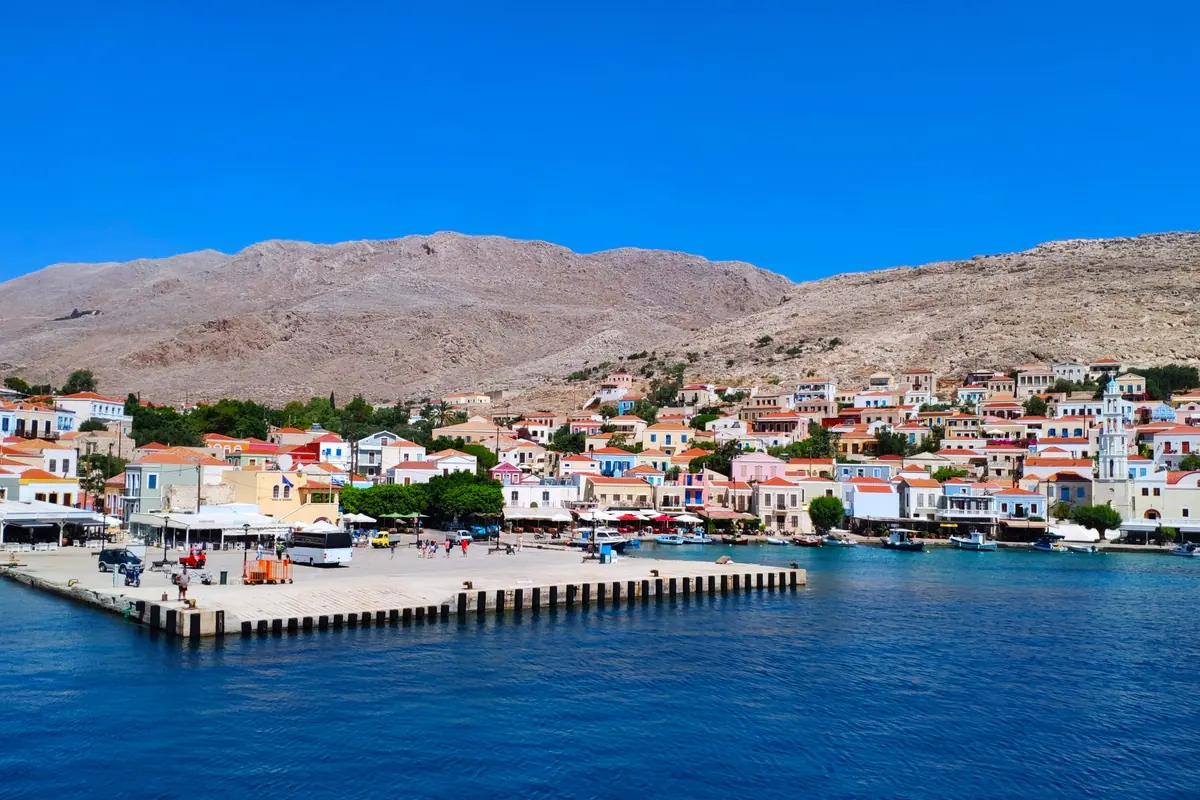
Chalki
Twenty-five square kilometres of limestone west of Rhodes, three hundred inhabitants, no large hotels, and a UNESCO title it has actually earned.
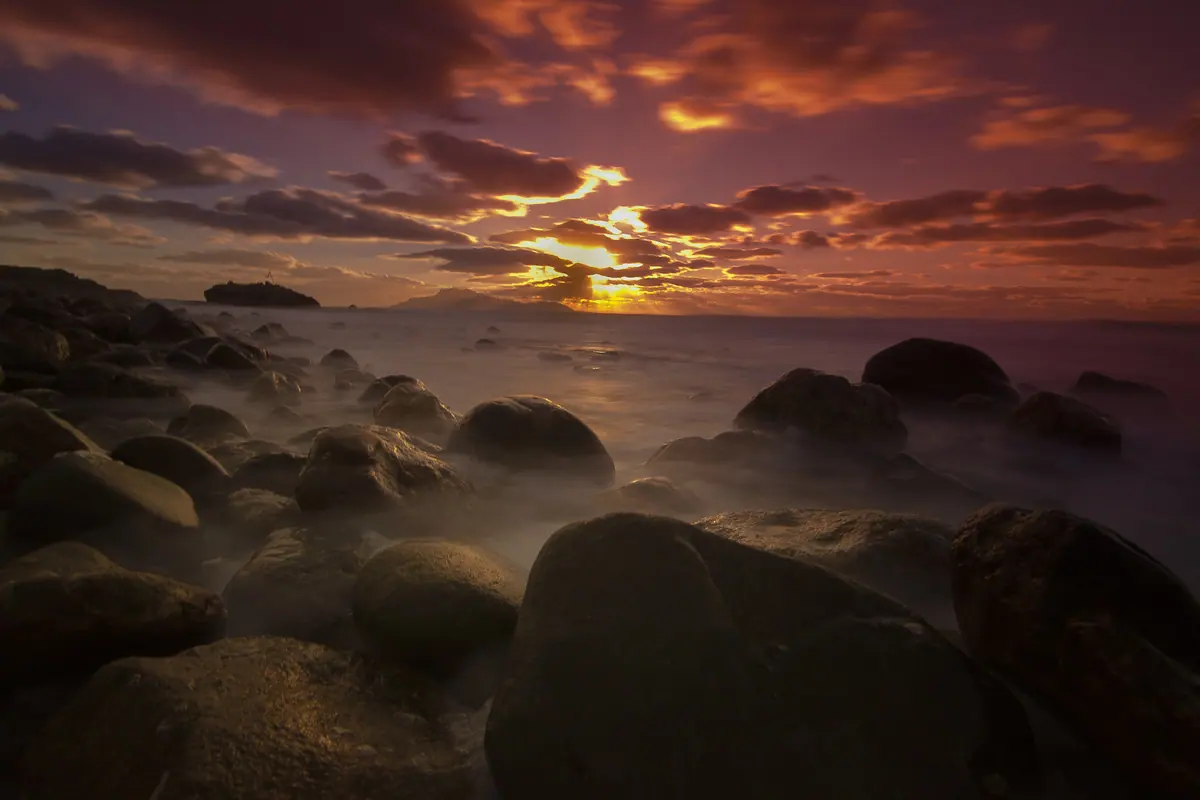
Karpathos
Mountains over 1,200 metres, forest, and some of the most dramatic beaches in the Greek islands, with a medieval village at the north end that still speaks its own dialect.
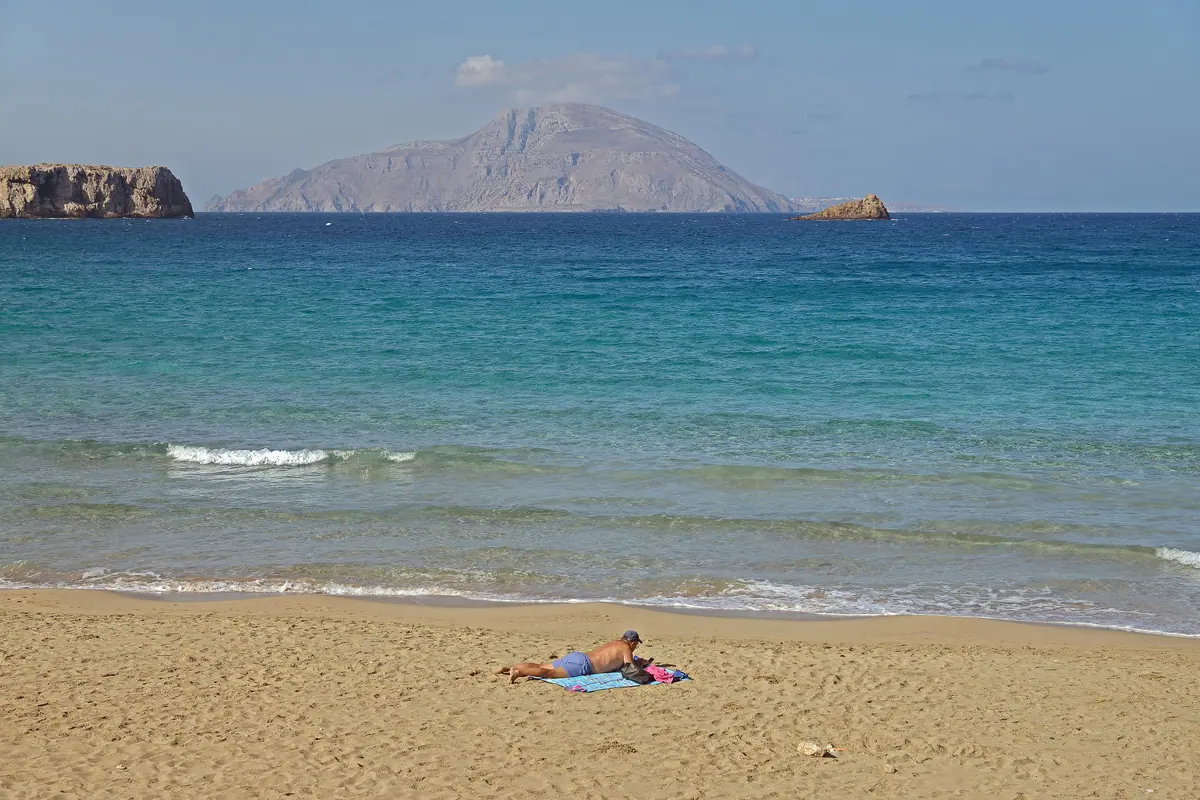
Kassos
Few if any islands offer a warmer welcome. Remote, barren and truly unspoilt, Kassos will satisfy the most demanding expectations of mass market escapism.
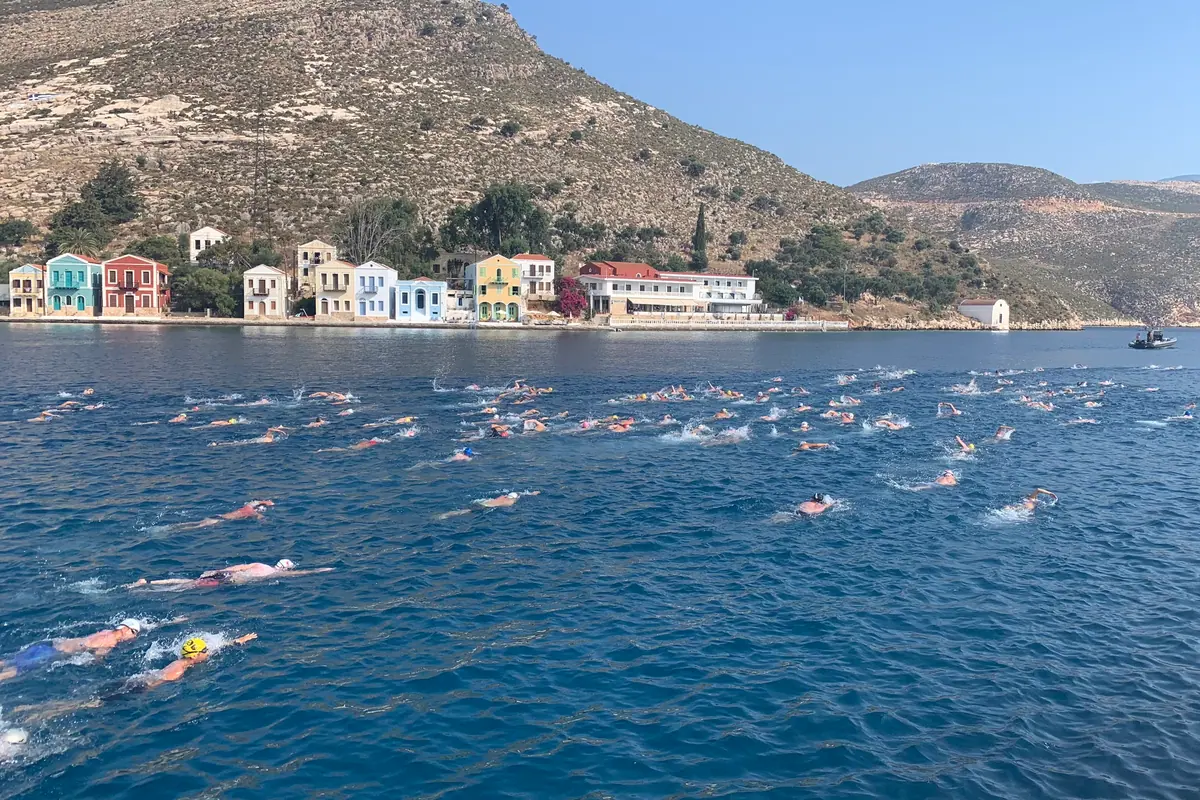
Kastelorizo
The smallest island in the Dodecanese and the easternmost point of Greece, one nautical mile from Turkey, with a harbour front that does all the work.
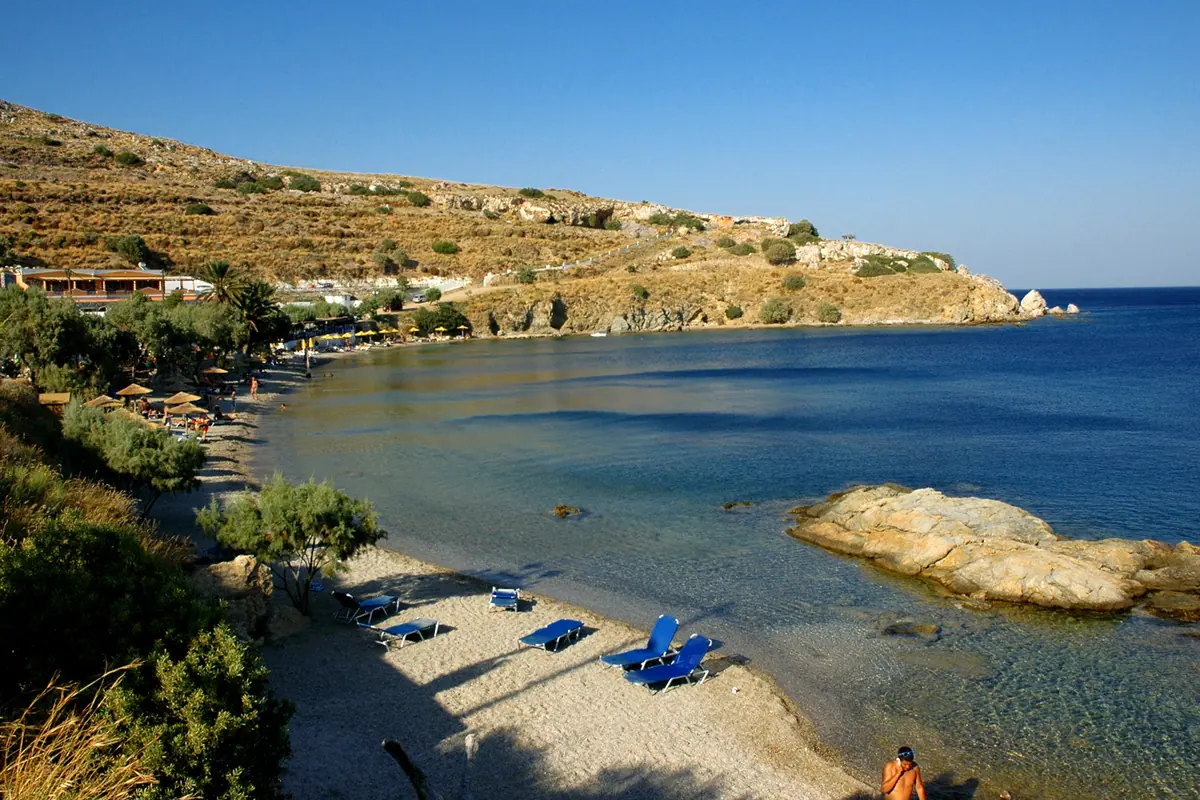
Leros
Leros is by no means a typical Greek island. Italian rule between the two world wars has bequeathed the island a distinctive Italian feel with colourful, 1930s buildings and wide, tree-lined boulevards the most obvious signs of this influence.
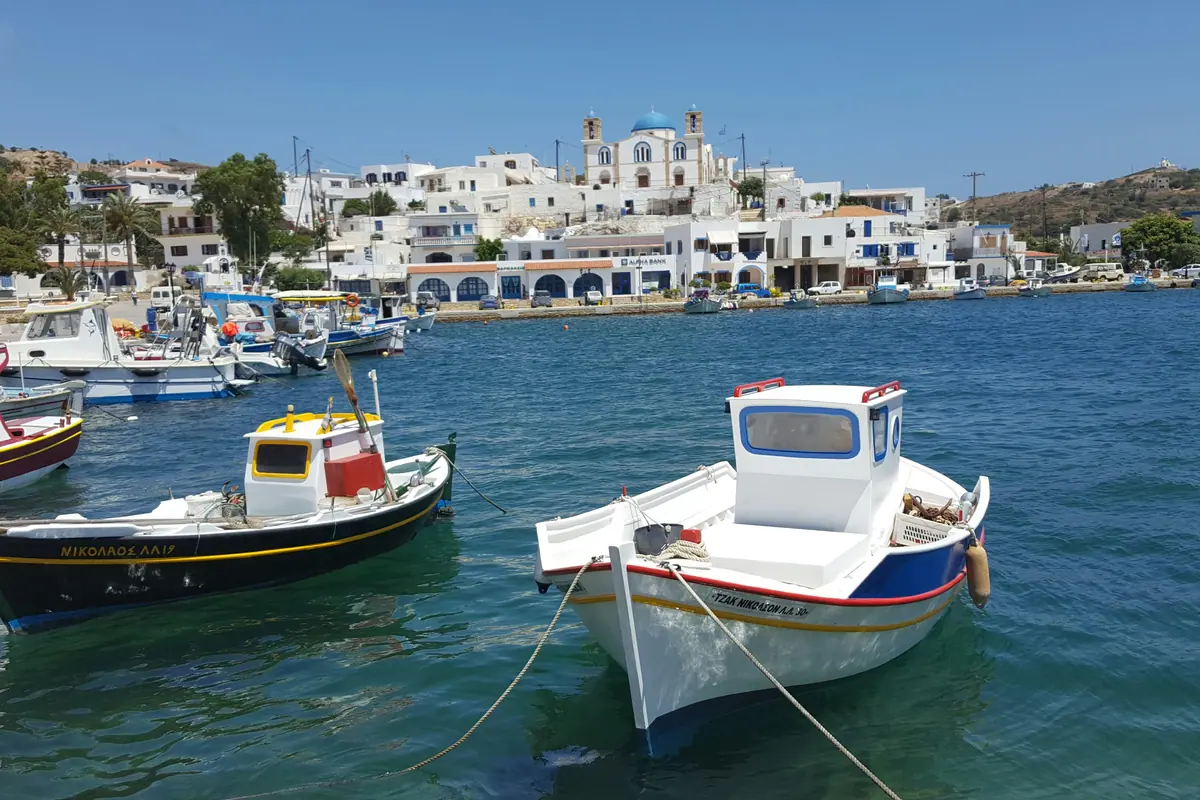
Lipsi
The largest of the small islands north-east of Patmos: one harbour, a handful of tavernas, and no beach more than an hour's walk away.
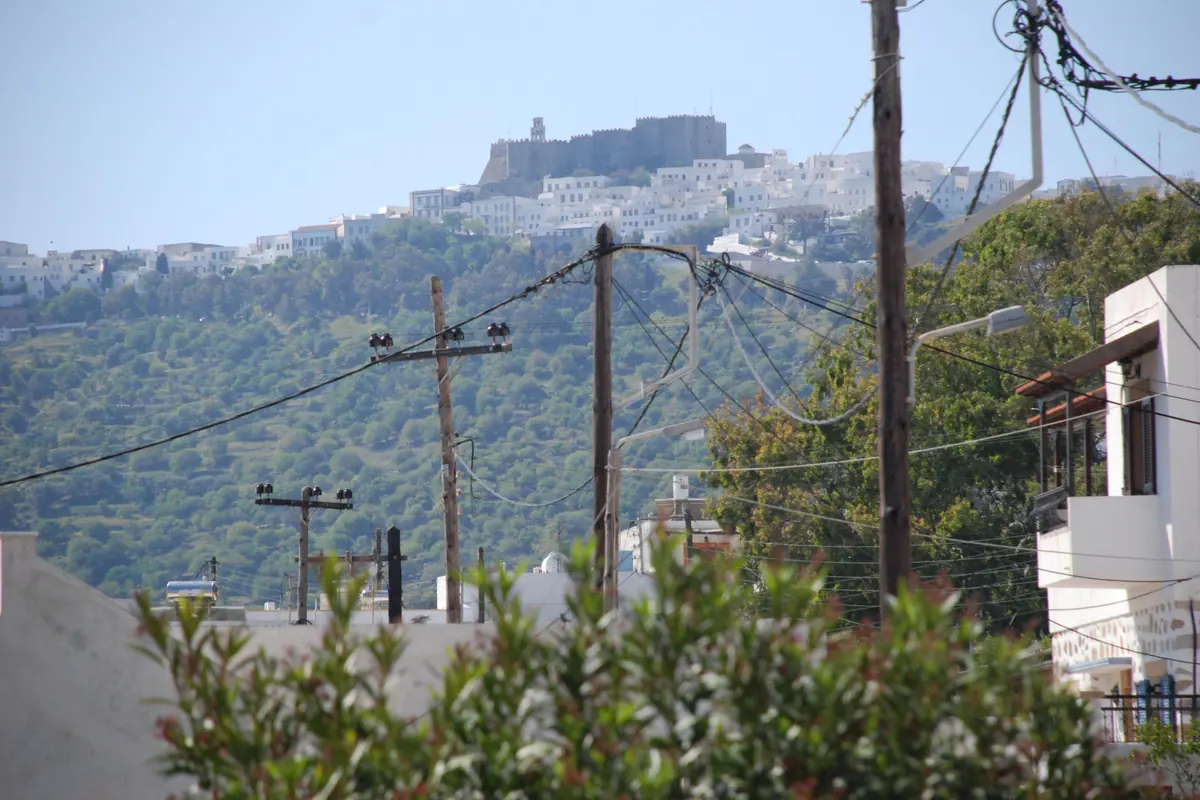
Patmos
The Jerusalem of the Aegean: the island where St John wrote the Book of Revelation, on an unusually long and intricate coastline.
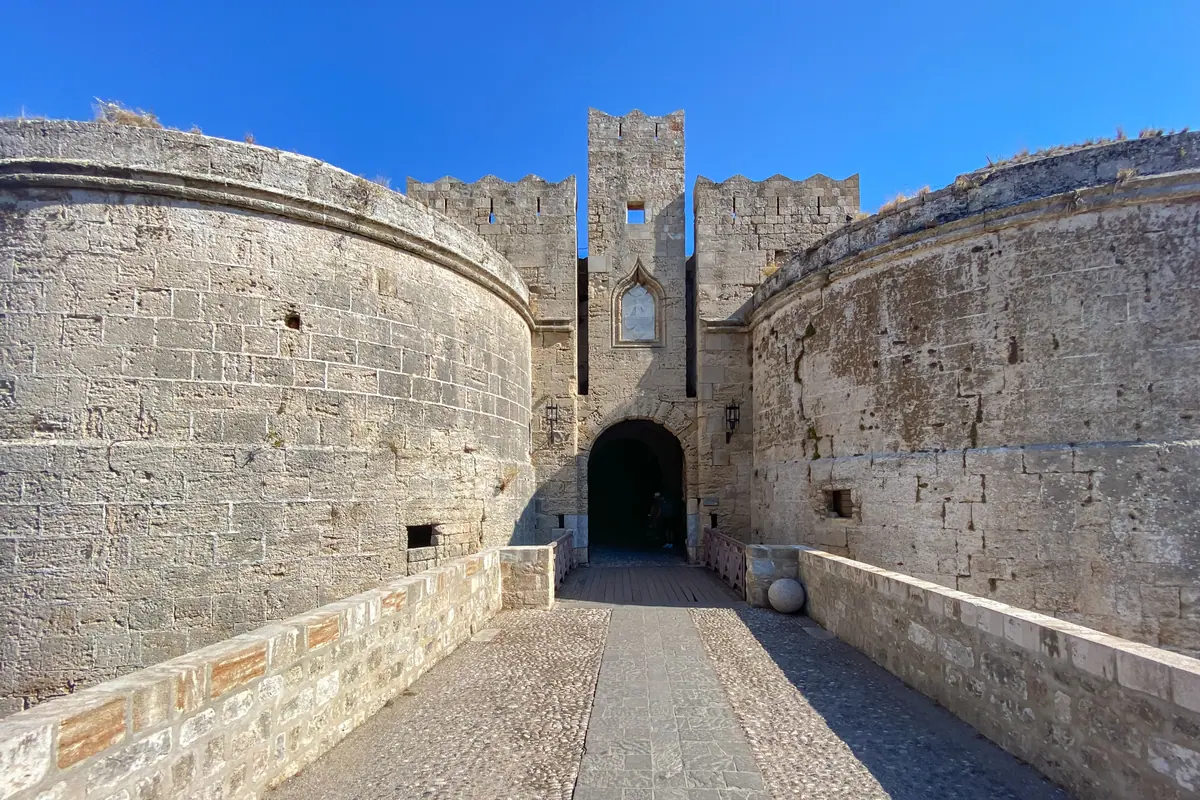
Rhodes
A medieval walled city that survived almost intact, and a gateway to the small Dodecanese islands most of its visitors never see.
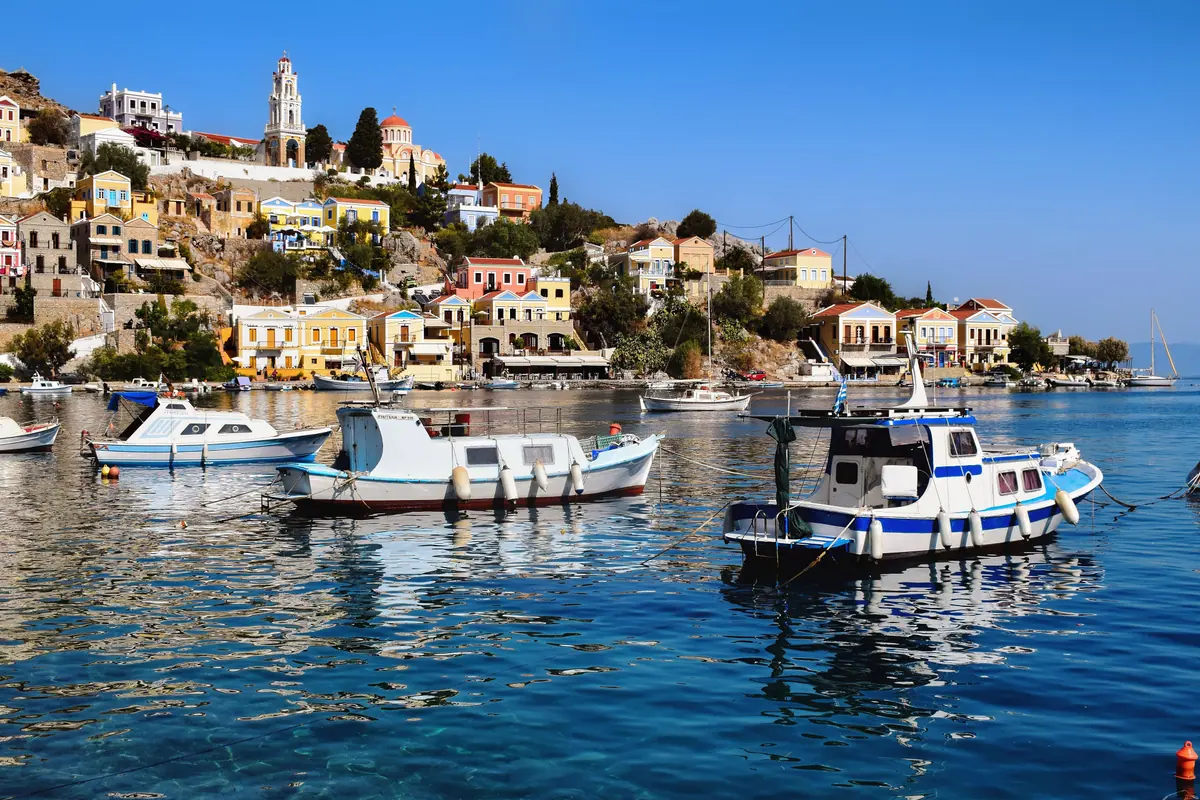
Symi
A harbour town of 375 steps and neoclassical mansions, fifty minutes from Rhodes and almost impossibly photogenic.
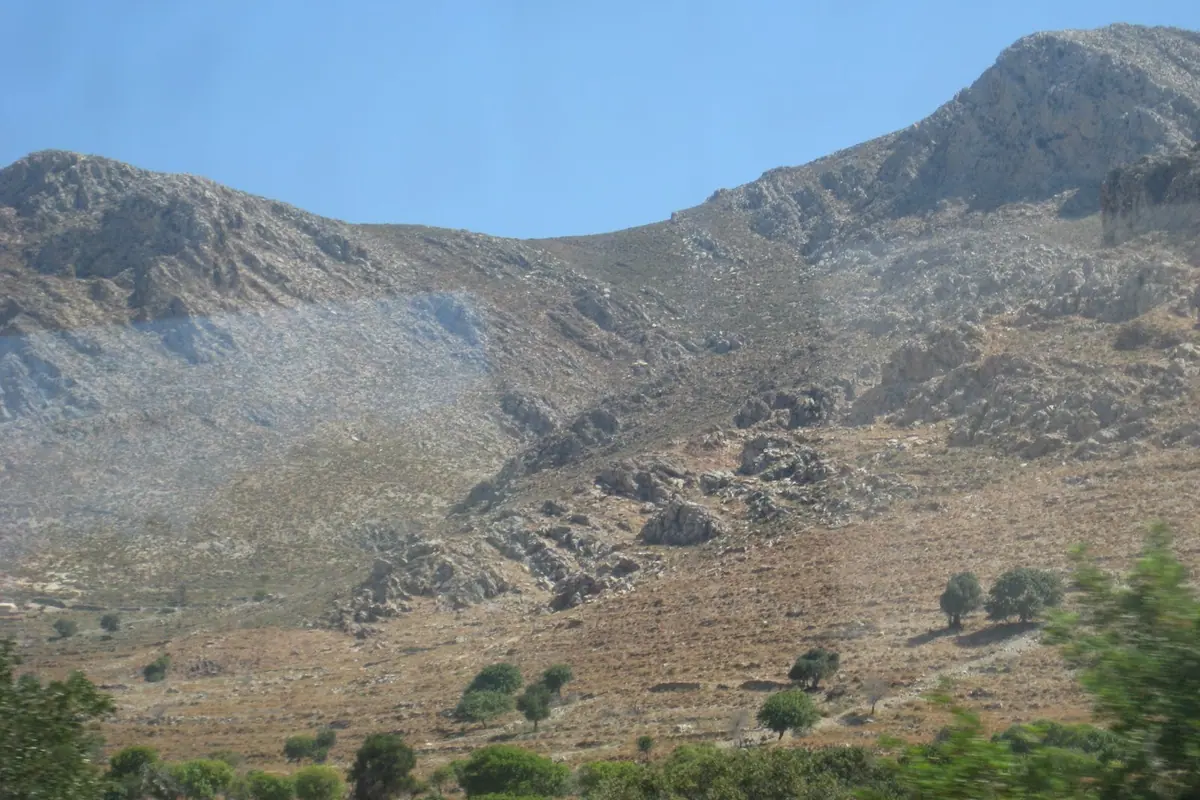
Tilos
For such a small island (63 sq km) Tilos has a lot to offer and over the years has established a loyal clientele that returns year after year.
North East Aegean
6 islands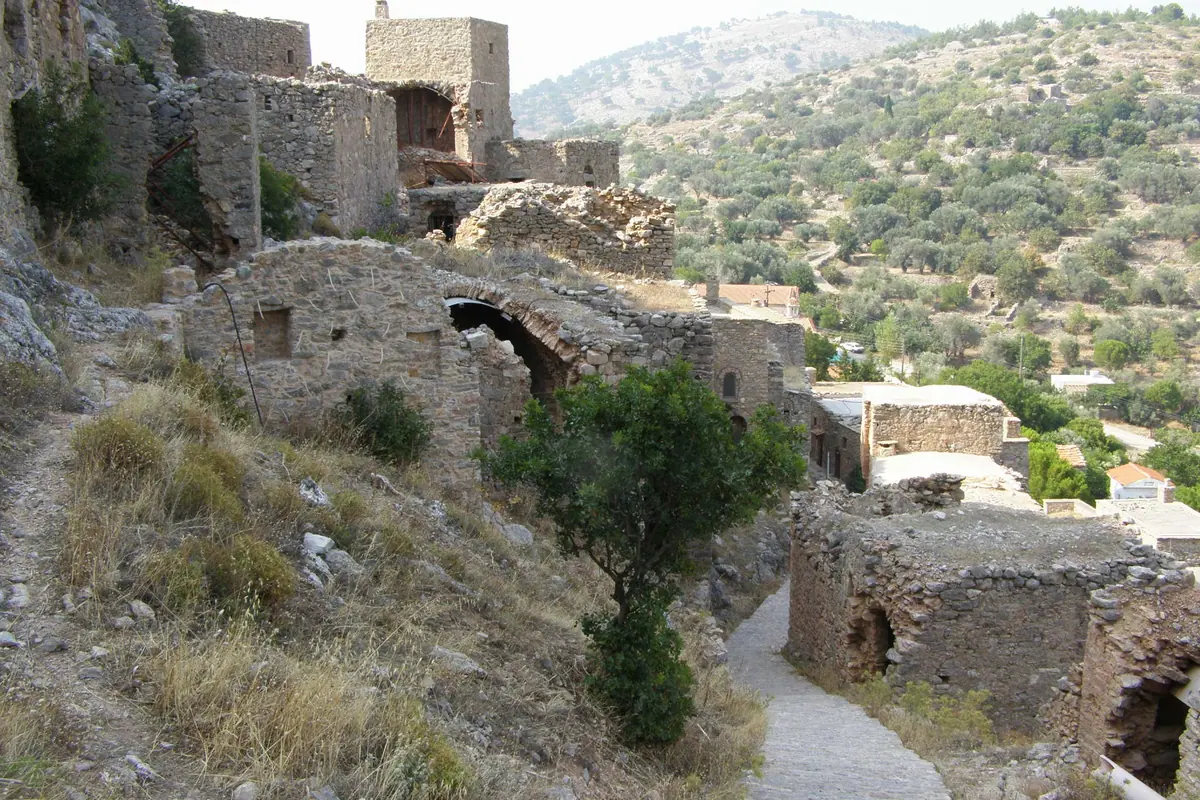
Chios
Thirty miles long, lunar in the north and carpeted with citrus in the south, with medieval villages that look like nowhere else in Greece.
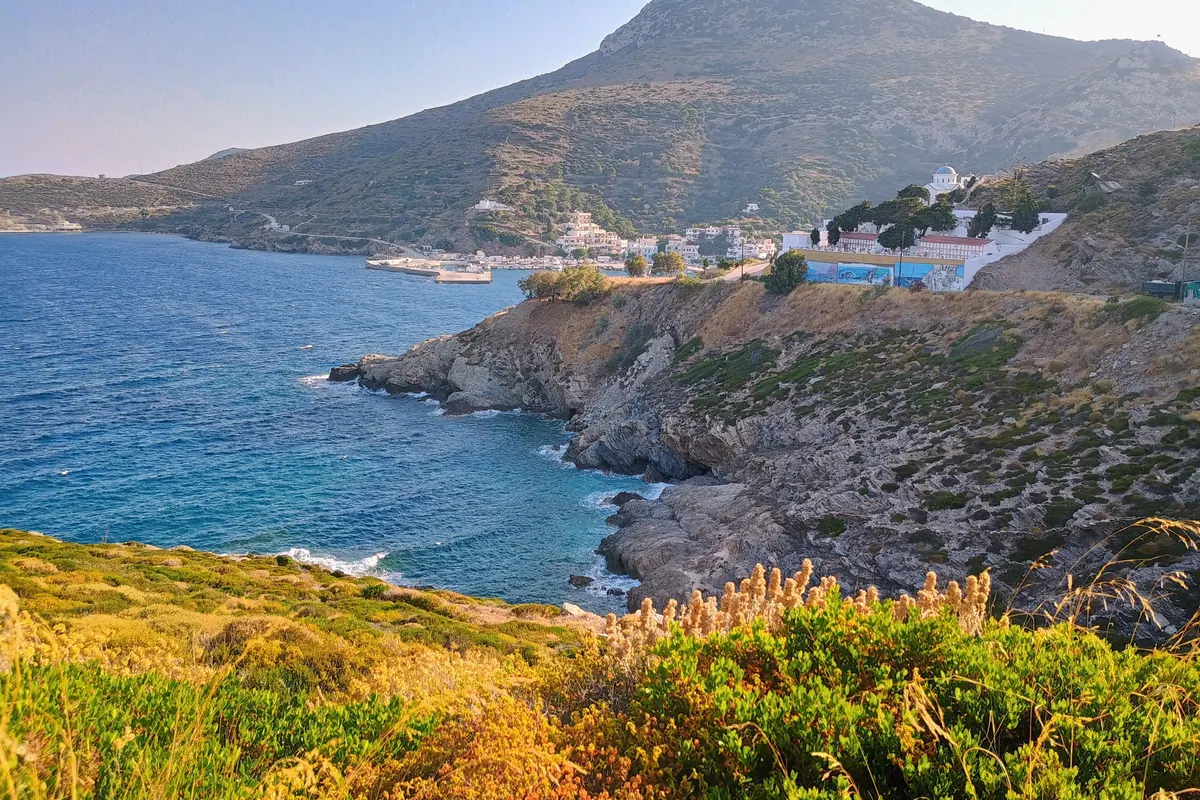
Fourni
A fishing island where the lobster costs a fraction of what it does elsewhere, and people come over from three other islands to eat it.
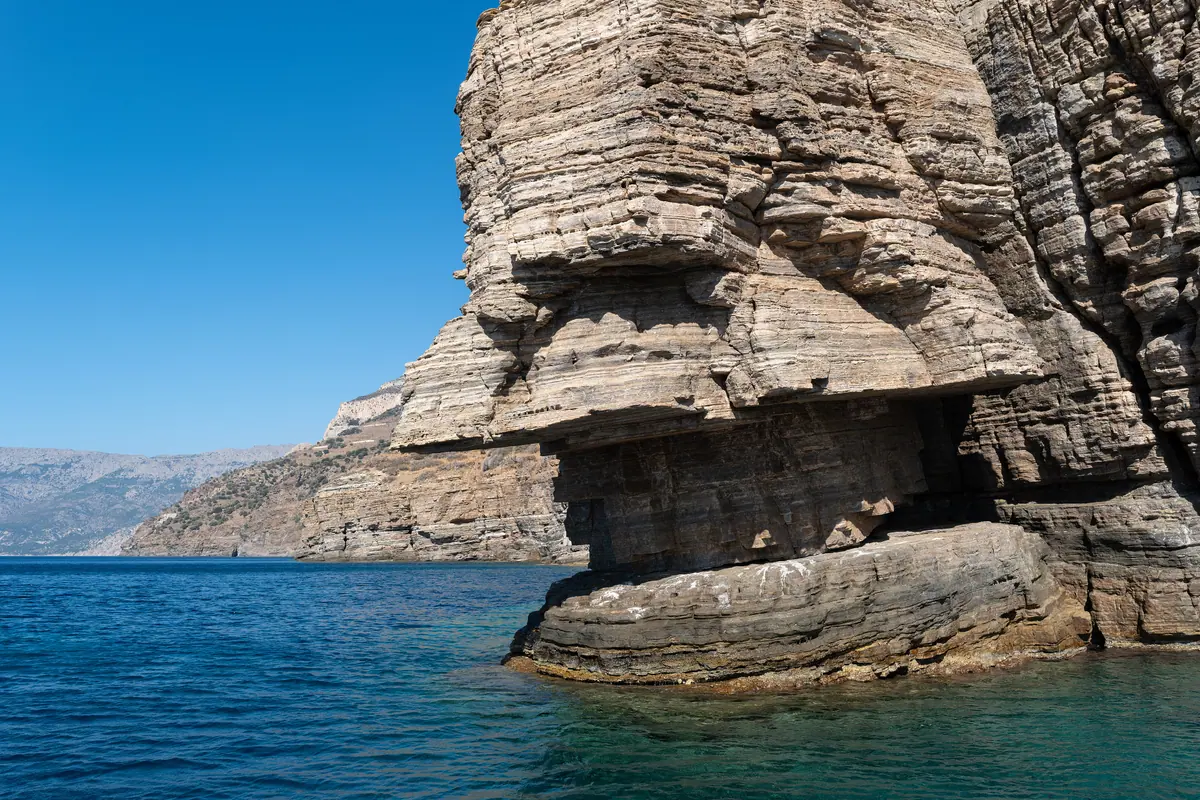
Ikaria
Twenty-one miles long and never more than five wide, with pine-covered hills, untamed ravines and villages clinging to slopes that drop straight into the sea.
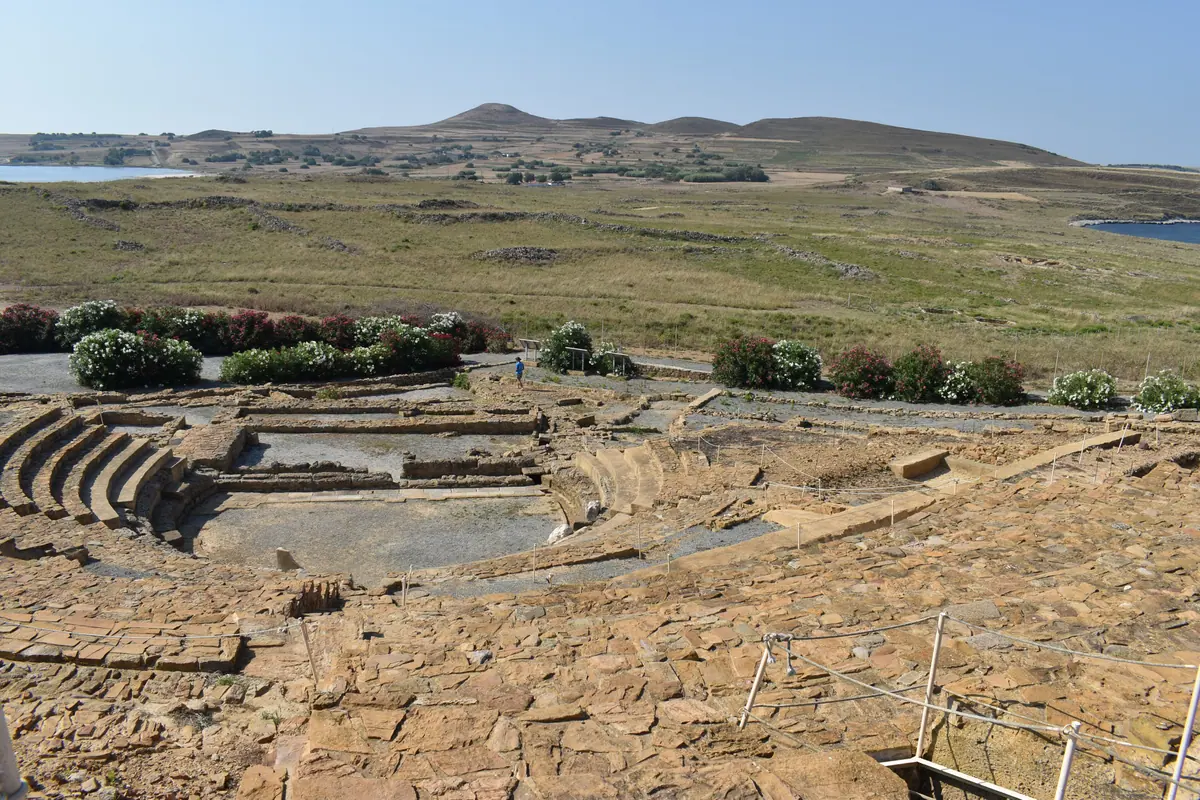
Lemnos
A Greek island with an airport that mass tourism never found, given mostly to corn fields and cattle, with a Byzantine castle over the old harbour.
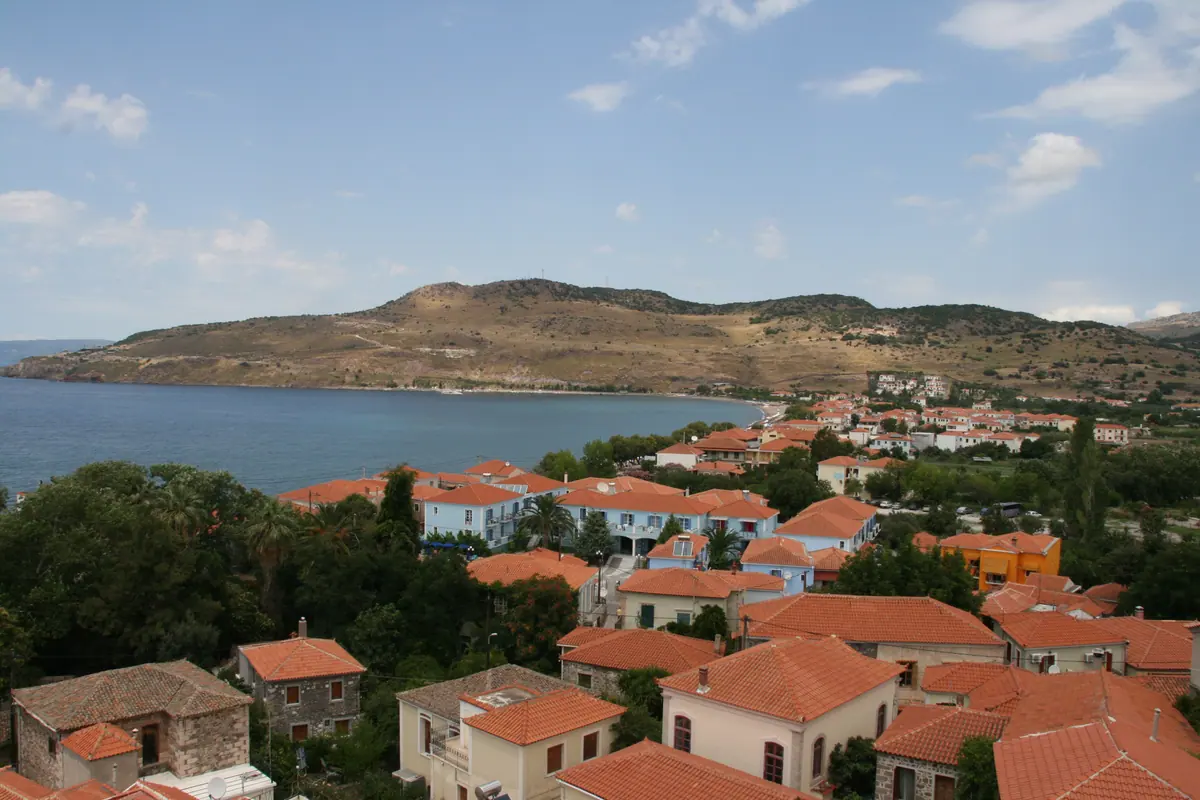
Lesvos
Greece's third largest island, with castles from the fourteenth century, olive groves five hundred years old, and distances that defeat a single base.
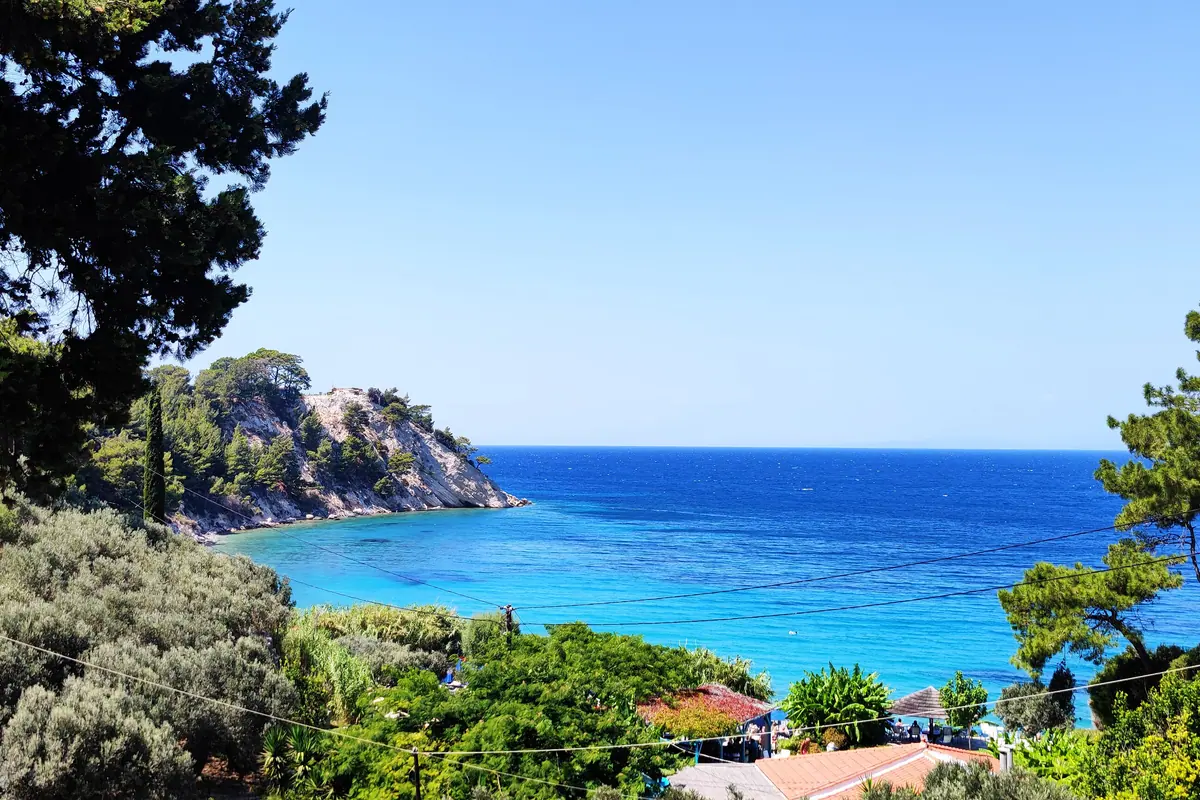
Samos
A hundred miles of coastline, craggy highlands and some of the most imposing ancient sites in the eastern Aegean, with Ephesus a day trip away.