Travel by the sun
The best time to visit Greece, month by month: weather and warm sea
The best time to visit Greek islands is not the hottest month. Between May and August they change more than most destinations manage all year, and picking the month is the biggest single decision of the trip.
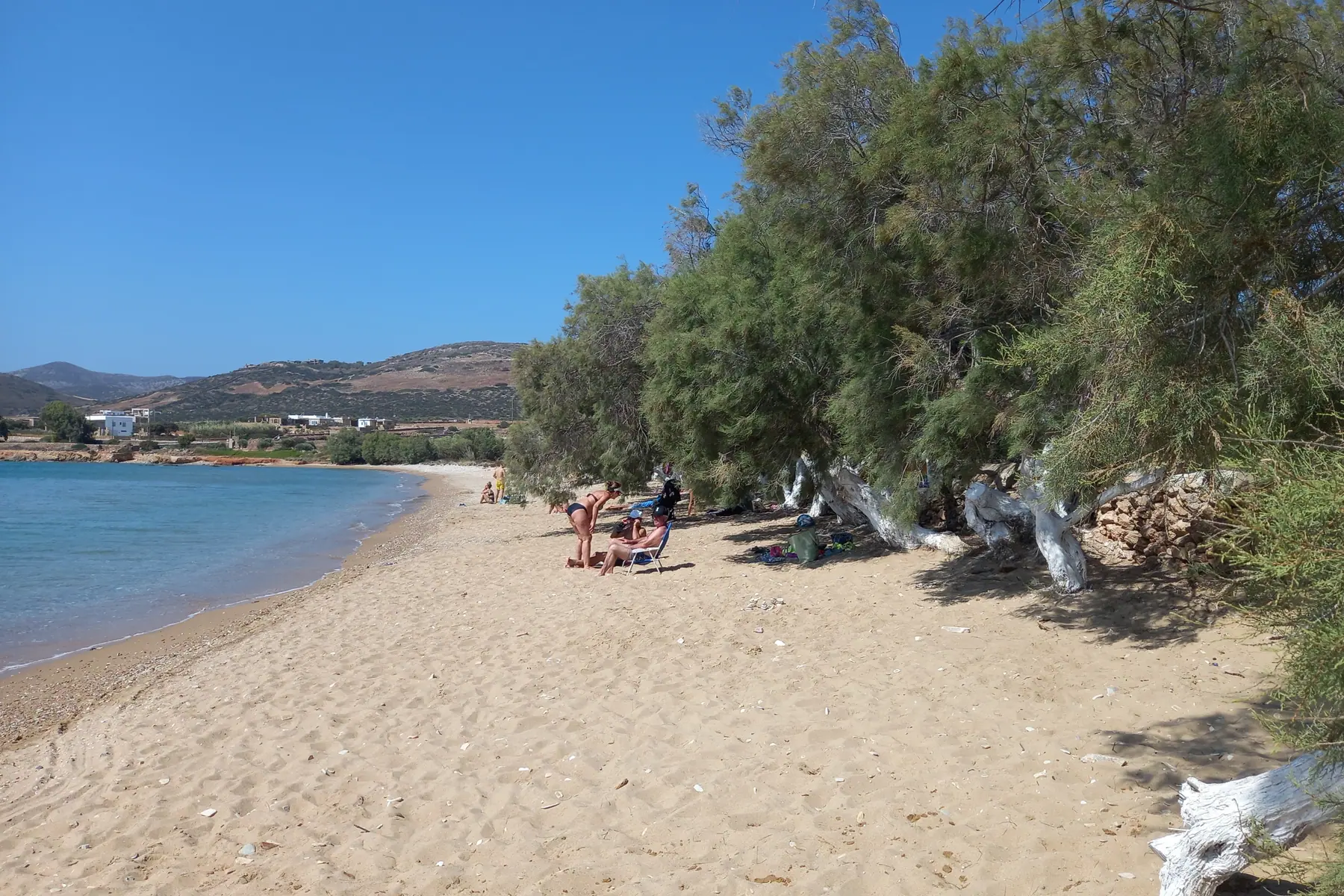
Two things drive the answer. The sea temperature, which climbs slowly and peaks weeks after the air does, and the season, which on a small island can be as short as late May to early October. Everything else, including the crowds and the price, follows from those.
What decides the best time to visit Greece: weather and sea temperature
The best time to visit Greece is decided by two variables and neither is the calendar. Weather is the obvious half and the less useful one: from May to October it is reliably warm and reliably dry almost everywhere, so the weather rarely decides between two months. Sea temperature does. The Aegean lags the air by several weeks, which is why September swimming beats June swimming even when the air readings look the same.
The other half is the wind. The meltemi builds through July and August, cools the heat to something bearable and closes small ports for a day or two at a time. On the greek islands in october the opposite problem starts: the weather holds but the connections thin out.
Put those together and the best time to visit Greece is late May, June or September for most trips, with September ahead on sea temperature and May ahead on weather for walking. The greek islands in october stay warm enough to swim in the first half of the month, and the crowds have gone by then.
The best time to visit Greek islands, set out month by month
What follows is month by month rather than season by season, because April and June sit in the same nominal shoulder and are nothing alike. Reading it month by month is the only way to see that. Anyone weighing the best time to visit Greek islands specifically, rather than the mainland, should read the season line hardest: the smaller the island, the shorter its year, and the best time to visit Greece as a whole says little about an island served by one boat. Each entry says what the weather does, where the sea temperature has got to, and what is actually open.
- April · Bloom and breathe
- Wildflowers on every terrace, walking paths at their best and the first long lunches outside. The sea is still cold, most island buses run a reduced service and a good number of tavernas have not opened. Excellent for walkers, poor for swimmers.
- May · The best compromise
- Everything is open, nothing is full, and the light is already summer light. The sea is swimmable by the end of the month for anyone not fussy about it. The single best month for combining walking with beaches.
- June · Longer days await
- Long bright days before the islands reach their peak. Ferries move to summer frequencies, which is when hopping between small islands becomes straightforward rather than a puzzle.
- July · The wind arrives
- Hot, busy and windy. The meltemi builds through the month and can close small ports for a day or two, which matters most on islands served by a single boat. Good for windsurfers, awkward for tight itineraries.
- August · Peak summer
- Full sun, warm nights and the whole of Greece on holiday alongside you. Rooms are at their most expensive and their most booked, and the middle two weeks are the busiest of the year. Beautiful, and not the month for a first visit to a small island.
- September · Golden and genuine
- Warm water, softer light, the crowds thinning week by week and the island rhythm returning. Sea temperatures peak now, not in July. If one month had to be picked for the islands, this is it.
- October · The long exhale
- Still swimmable in the first half, quiet everywhere, and the tavernas cooking for locals again. Ferry frequencies start to drop from mid-month and the smallest islands begin to disconnect.
- November · Quiet discovery
- City walks, mountain kitchens and a quieter kind of magic. Most island accommodation has closed and connections are thin, so this is the season for Athens, Crete, Rhodes and the larger islands that live year round.
The short version
For swimming, September. For walking, May. For everything at once and a price to match, August. For a first island-hopping route, late May, June or September, when the ferries run often enough that a cancelled sailing is an inconvenience rather than the end of the itinerary.
Individual islands shift this. An island with an airport lives longer into the year than one served by a single boat. Each island guide notes how it is reached, which is the best available proxy for how long its season runs.